Supplement Ads: 8 Examples and the Claim Wording Meta Kept Running (2026)
Of 311 supplement ads live on Meta in September 2026, those that ran 60+ days cited studies twice as often. 8 examples, plus Meta's July 2026 rule change.
Ads last seen live September 2026. Meta and FTC rules checked October 18, 2026.
Supplement ads that run on Meta for months say what the product does for a normal body, cite a study and carry an asterisk more often than the rest, and almost never name a disease or ask about the reader's health. Of 311 ads live in September 2026 from 57 supplement brands, 70 had run 60 days or more, and only 2 of those named a disease, both from one brand. On July 22, 2026 Meta dropped its ban on side-by-side weight-loss comparisons, but the audience still has to be 18+, and the FTC still wants real proof for every result you show.
If your last ad came back rejected for health claims and the notice didn't say which word, or a competitor seems to get away with bolder lines than yours, start with what the long runners say. These are lines 28 brands kept paying to run for 60 days or more.
8 supplement ads that ran for months, and the line each one leans on

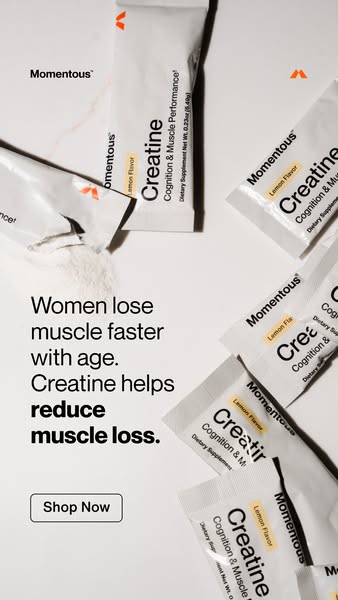
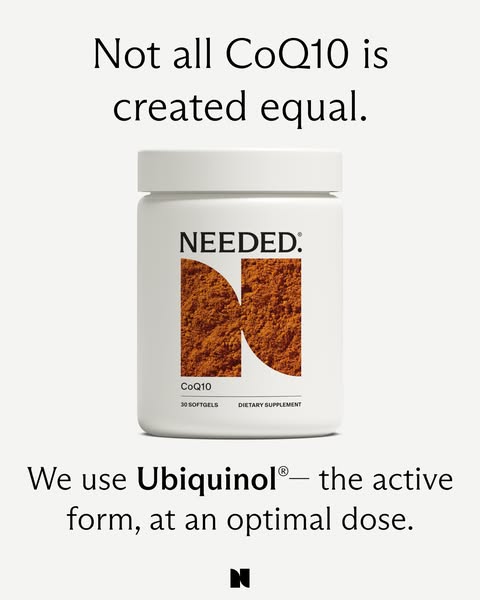
We keep more long-running supplement ads, by brand, in our gallery.
Ten versions of your claim line before lunch, for about $1.60
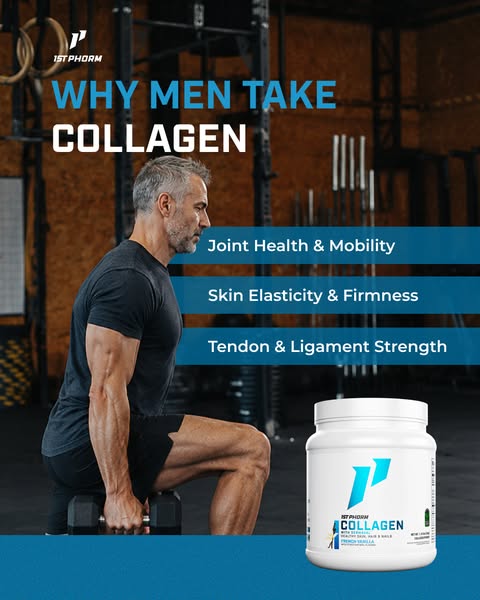
Every new claim line usually means another round with a designer. We gave AdMakeAI one photo of a plain magnesium jar, and three of its ad templates built the patterns above: the dose headline, a "supports" line with its asterisk, and the 1st Phorm list layout. Each ad is 2 credits at Fast, about $0.16 on the $39 plan.
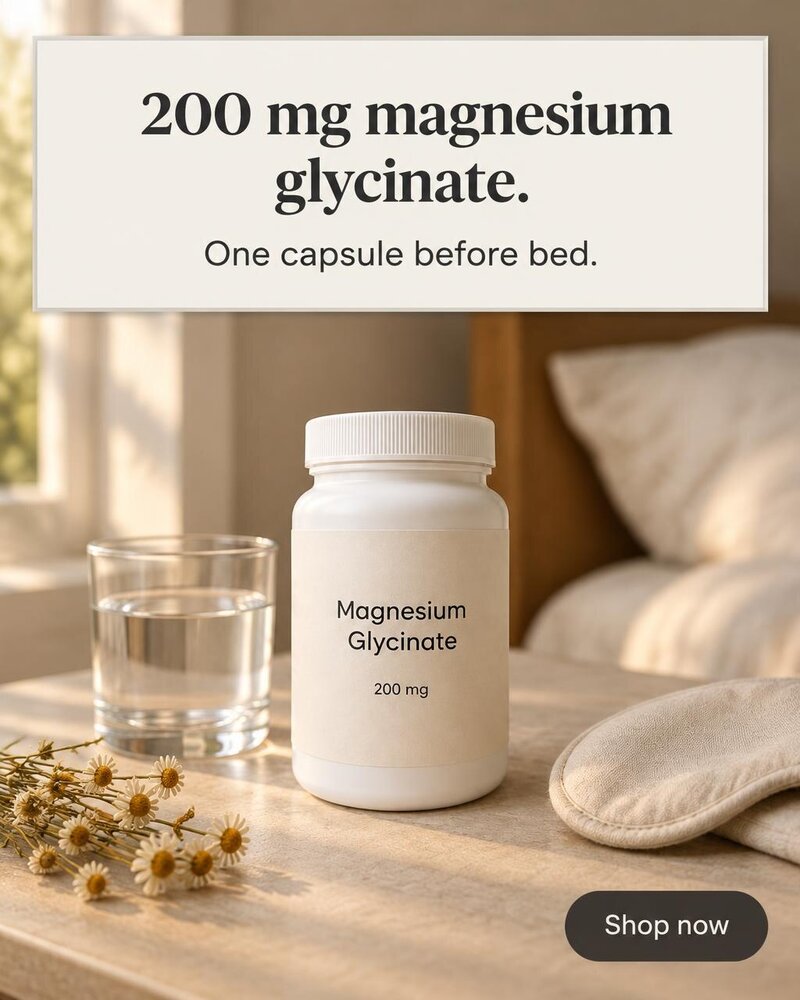
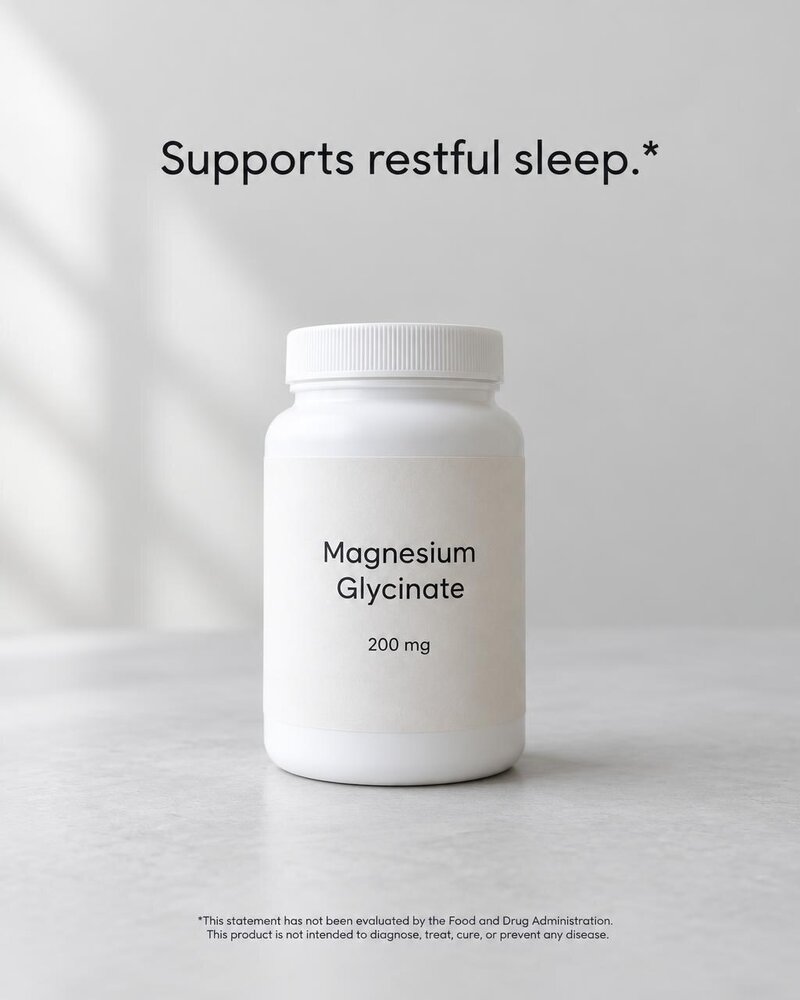
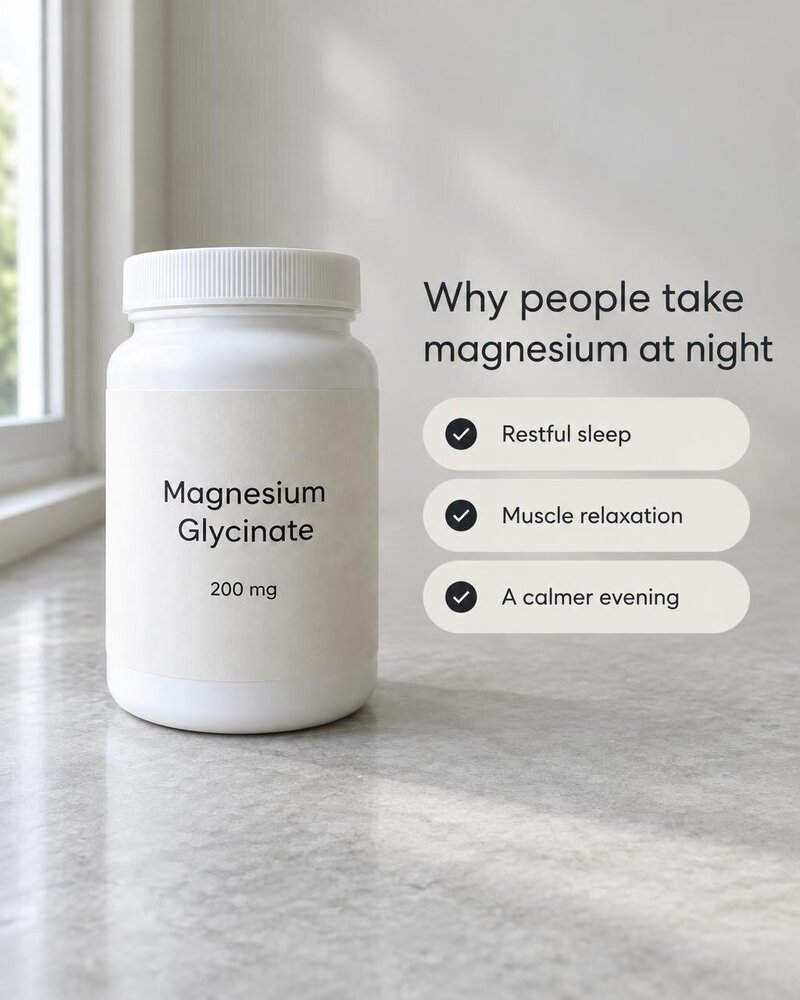
On a paid plan, publishing from AdMakeAI to your Meta account stops the upload if the copy says "cure", "guaranteed" or "lose 10 lbs", or puts "you" next to words like diabetic or overweight, so you see the word before Meta's notice leaves you guessing. To start from a specific competitor ad, open our health and supplements gallery: every ad shows how long it has run, and Remix drafts three concepts for your product from it. Try it on your own product with 30 free credits.
Remix a supplement adWhat the long runners said that the rest didn't
Our read: sale and launch ads rotate out when the offer ends, while a claim line the brand can back keeps its spot. Run length shows what a brand kept paying for (it says nothing about sales), and 70 ads is a small group.
What the long-running supplement ads said
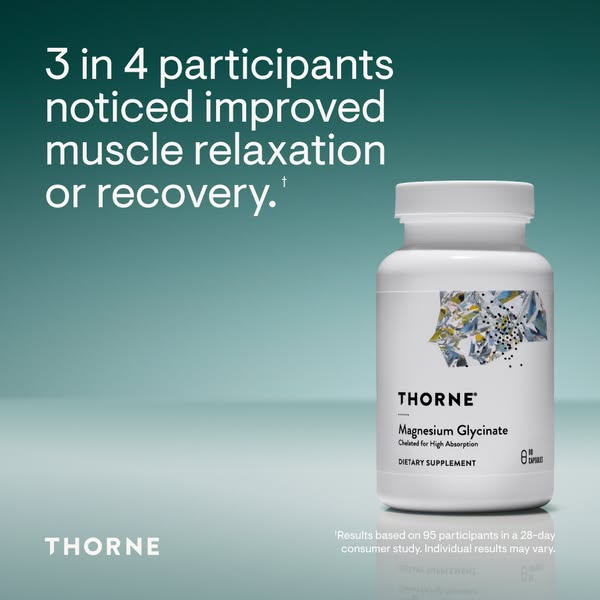
“3 in 4 participants noticed improved muscle relaxation or recovery.”
Thorne, 107 days
Running time isn't approval, though. 33 ads from the same September set came from Pages styled as a patient, a nurse or a "support community", told first-person stories about kidney numbers, liver disease or a child's height, and linked to supplement stores. They had run a median 64 days, longer than the brand ads. Meta reviews most ads automatically and can act on an ad at any time, so a competitor's live ad shows you what hasn't been caught yet, not what's allowed. And when Meta does act, it doesn't always stop at the ad; see what happens when Meta restricts the Page or account instead.
The same claim, from fine to not allowed
One supplement, five ways to say it
The same prebiotic fiber, from the safest line to the one Meta names.
- “6 g of prebiotic fiber per scoop.”Metafine18+ audienceFTC/FDAfinetrue if the label says itMeta Health and Wellness standard (18+)
- “Helps maintain healthy blood sugar levels.*”Metafine18+ audienceFTC/FDAneeds proofstructure/function: label disclaimer, and proof21 CFR 101.93; FTC Health Products Compliance Guidance
- “3 in 4 users felt less bloated in 28 days.†”†95-person consumer study. Individual results may vary.Metaqualifiera timed result needs one; this line has itFTC/FDAneeds proofa consumer survey never proves it on its ownMeta Health and Wellness standard (clickbait rule); FTC Health Products Compliance Guidance
- “Prediabetic? This lowers your blood sugar.”Metanoimplies the reader's medical conditionFTC/FDAnoa disease claimMeta Personal Attributes standard; 21 CFR 101.93(g)
- “Reverses diabetes.”Metanoon Meta's cure listFTC/FDAnoa drug claimMeta Health and Wellness standard, Jul 22, 2026; 21 CFR 101.93(g)
Supplement claim wording: how common it is among long runners, and what Meta and the FTC say
Swipe sideways to see every column
| Wording | A line from a long-running ad | Long runners (70) | Meta's rule | FTC and FDA |
|---|---|---|---|---|
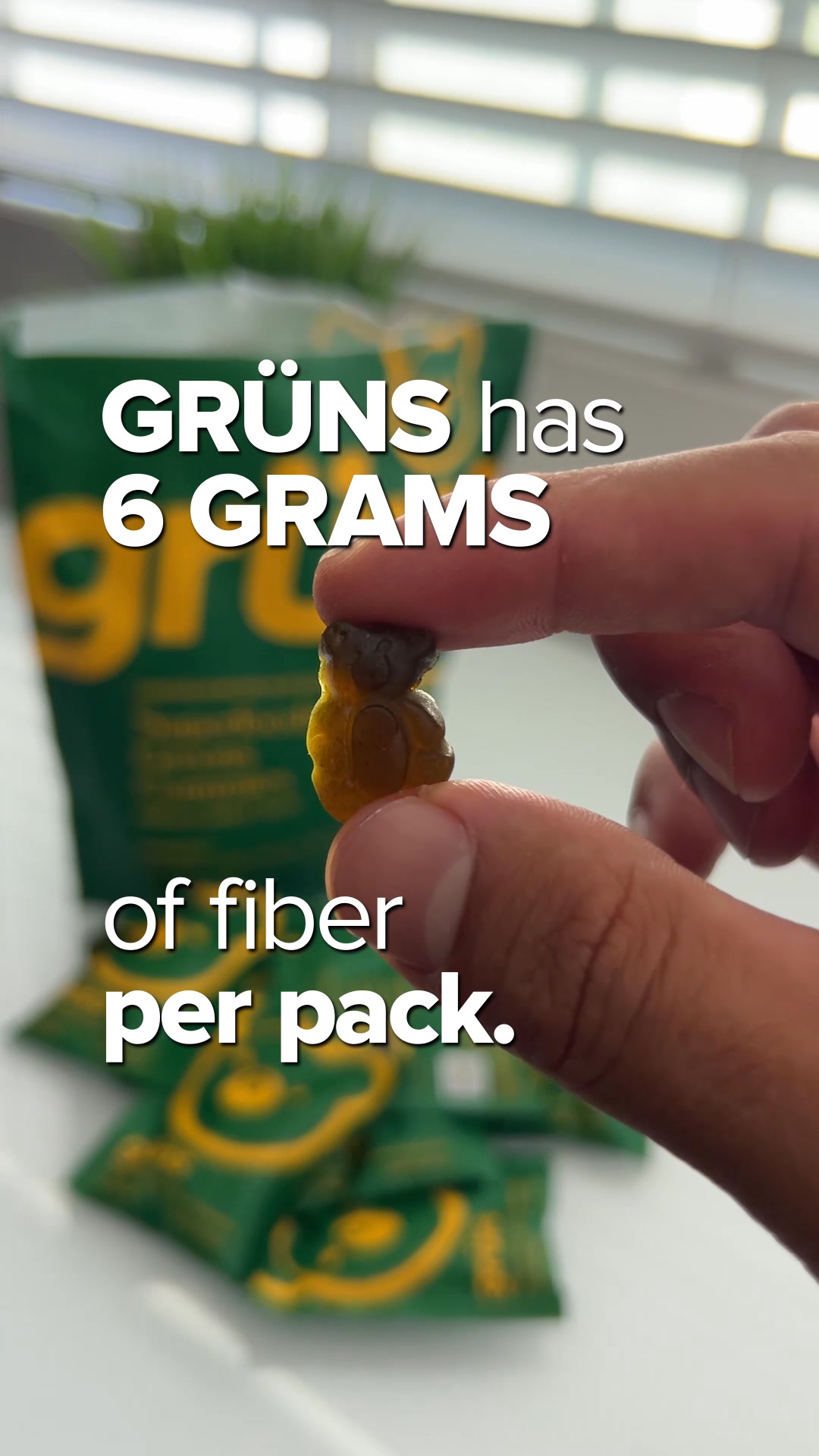
| Ingredient or dose | “GRÜNS has 6 GRAMS of fiber per pack.” (Grüns, 107 days) | 21% | No restriction beyond 18+ | True if the label backs it |
| Supports a normal function | “...a calm response to everyday stress, wake up restored.*” (Thorne, 107 days) | 53% | No restriction beyond 18+ | FDA: structure/function, so the label needs the disclaimer and an FDA notice. FTC: still needs competent and reliable scientific evidence |
| An everyday symptom | “Followed by jitters, anxiety, and a crash.” (Four Sigmatic, 190 days) | 34% | Fine about people in general; not “you” plus the condition | FDA: occasional, non-disease states (“occasional sleeplessness”) are structure/function |
| Study or clinical line | “3 in 4 participants noticed improved muscle relaxation or recovery.” (Thorne, 107 days) | 34% | No rule on studies; a timed outcome needs a qualifier | FTC: health benefits generally need randomized controlled human trials; an ingredient study may not cover your product |
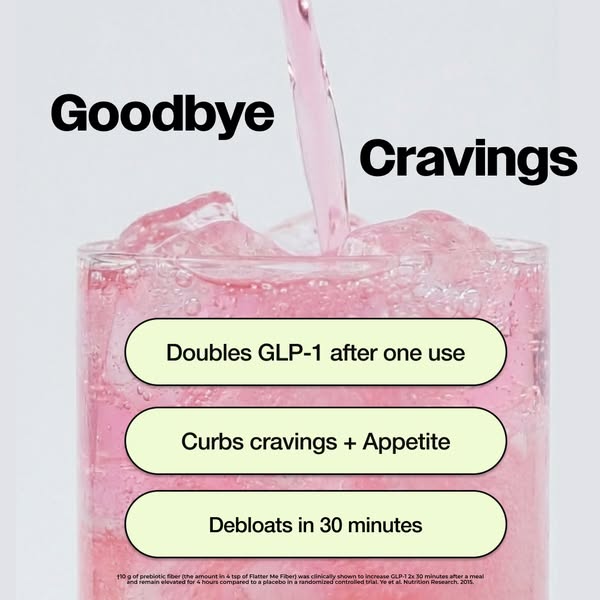
| A result in a set time | “Debloats in 30 minutes”, footnoted to a 2015 trial (HUM Nutrition, 61 days) | 4 ads | No “promises of specific outcomes within a set timeframe without disclaimers or qualifiers” | FTC: show what a typical buyer gets; “results not typical” doesn't fix it |
| The reader's condition | 6 of all 311 ads did this; none had run past 28 days | 0 | Ads can't imply knowledge of a person's “physical or mental health (including medical conditions)”. Allowed: “New diabetes treatment available”. Not allowed: “Do you have diabetes?” | |
| A disease | Two long runners, from one brand (4 in all 311) | 2 ads | No claims to “cure, heal, or eliminate” 11 listed diseases, incl. diabetes, thyroid, psoriasis, cancer. The list doesn't cover symptom claims | FDA: a claim about a disease or its symptoms is a drug claim. FTC: the disclaimer “doesn't negate” a claim that the product treats diabetes |
| Before and after | One ad in all 311, in copy: “experience the full transformation” | 0 | Weight-loss side-by-side ban deleted July 22, 2026 (our read: allowed at 18+); still no pinched-fat close-ups | FTC: typical results, real customers |
Long runners: the 70 of 311 Meta ads from 57 supplement brands (up to 8 per brand, live in September 2026) that had run 60+ days. Shares count the ad copy, not the image. Rules: Meta Advertising Standards and FTC Health Products Compliance Guidance, checked October 18, 2026. This is how we read the rules, not legal advice. If a claim is about a condition, have it checked.
A feeling isn't a condition in Meta's personal attributes examples; Grüns' "Feeling off in your gut lately?" ran 107 days. The FDA draws the other line, between what a product does for a normal body and what it does for a disease. Helping "maintain cholesterol levels that are already in the normal range" is fine; "reduces cholesterol" isn't. Supergut's "help support appetite, healthy blood sugar levels, metabolic health" is the textbook form, and "lowers blood sugar" would make the same product a drug in the FDA's eyes. If an ad is already rejected or stuck in review, we cover reading Meta's reason and appealing separately.
What Meta changed on July 22, 2026, and what it didn't
Meta deleted its ban on side-by-side weight-loss comparisons and its line about "negative self-perception". Showing the product's impact and how long it took was already allowed for weight-loss supplements at 18+, so we read the change as before-and-after being allowed again. Pinched-fat close-ups and "statements of inferiority about physical appearance" are still out. The same update dropped an old side-by-side ban for wrinkle treatments; for creams and other cosmetics, see what a beauty ad can say.
Meta's health ad rules, July 22, 2026
Health and Wellness standard, change log
- removed“Side-by-side comparison after the use of a product or transformation for weight loss with exception to fitness classes impact (i.e., Pilates)”The side-by-side ban for weight loss is gone. Our read: before-and-after is allowed again, at 18+.
- removed“Ads must not imply or attempt to generate negative self-perception or declare there is a perfect body type...”Narrowed to a ban on “statements of inferiority about physical appearance”.
- added“promises of specific outcomes within a set timeframe without disclaimers or qualifiers”A result in a set time now needs a qualifier.
- added“cure, heal, or eliminate ... Diabetes, Herpes, Thyroid, Psoriasis, Ebola, Cancer, Autism, Alzheimer's, Parkinson's, ALS, HIV”The list doesn't cover symptom claims, but for a supplement the FDA still counts them as disease claims.
- added“General food products, including protein products”Exempt from the 18+ rule. Other supplements are not.
Guides published since July still disagree, some saying supplements can now reach all ages, others that before-and-after is banned; the change log above is Meta's own text. Brands have barely used the opening: in our 311 ads, one mentioned a transformation in its copy and none described a side-by-side, though we didn't check every image.
Proof lines: what "clinically studied" promises
Study language was the widest gap between the long runners and the rest, and it's where the FTC asks the most. Its guidance says health benefits generally need "randomized, controlled human clinical testing", and that anecdotes and "surveys of consumer experiences, are never sufficient to substantiate claims about the effects of a health product". Thorne prints where its number came from: 95 people, 28 days, a consumer study. That tells the viewer what the number is. The FTC says surveys like this never prove an effect on their own.
123The footnote, zoomed in
- 1
“3 in 4 participants noticed”
Reports what participants noticed, and how many of them.
- 2
†Results based on 95 participants in a 28-day consumer study.
The source sits on the image: 95 people, 28 days, a consumer study.
- 3
“Individual results may vary.”
The FTC says a line like this doesn't fix an atypical result.
FTC: health benefits generally need randomized controlled trials; consumer surveys never prove an effect on their own.
FTC: “clinically tested ingredient” implies the test proved the benefit, for your product too.
A "clinically tested ingredient" line implies the test proved the benefit, and experts may expect a test of the finished product. "May" and "helps" don't qualify a claim either: "it's not enough to say that the product 'may' have the claimed benefit or 'helps' achieve the claimed benefit." They change how Meta's review reads a line; the evidence is still on you. And the FDA disclaimer "won't cure an otherwise deceptive ad". It's a label rule; no ad needs it.
In July 2026 the FTC finalized an order against TruHeight, whose marketing called it "The Only Supplement Clinically Proven to Help Height Growth", a claim the FTC said "lacked the competent and reliable scientific evidence required". The judgment was $4 million, suspended after $750,000. Customer results carry the same burden: if a buyer lost 16 pounds in eight weeks and the trial averaged 4 pounds over placebo, the FTC expects the typical result next to the quote. The rules for customer quotes and reviews in ads have their own post.
GLP-1 wording: the newest claim in supplement ads
133 ads from 12 brands in our September set used GLP-1 in their copy, in two framings. One says the product raises your body's own GLP-1, like HUM's "Doubles GLP-1 after one use" above, footnoted to a 2015 fiber trial. The other sells nutrition to people taking the drug, like Grüns' "Men on GLP-1: Don't just cut calories. Cover your nutrients." They had run a median 34 days; 28 passed 60, and the longest reached 112.
No Meta rule names GLP-1, so this is our reading. The FDA treats a supplement pitched as a "substitute" for a drug therapy, or as something that augments one, as making a disease claim, and a line that implies the viewer is on the drug sits close to Meta's ban on implying someone's medical information. A boost claim needs evidence for your product, the way HUM cites its trial.
Tracking and targeting limits that come with selling supplements
Meta can put your site in a "Health and wellness" data source category and restrict what it shares, from custom parameters and URL paths up to "specific mid and lower funnel events", so check the category on your dataset in Events Manager and request a review if it's wrong. Targeting is thinner too: the supplement and weight-loss interests are gone, and every supplement ad set needs 18+, the same as boosting a supplement post from Instagram.
Supplement ads FAQ
Can you advertise supplements on Facebook?
Yes, if the ad set targets people 18 or older (protein products are exempt), but Meta's commerce policy keeps vitamins and protein powder out of Facebook and Instagram Shops.
Are before and after pictures allowed in supplement ads?
Meta deleted its ban on side-by-side weight-loss comparisons on July 22, 2026, so we read before-and-after as allowed for weight-loss supplements at 18+, without pinched-fat close-ups, and the FTC still expects the typical result.
What words can't you use in supplement ads?
Claims to cure, heal or eliminate the 11 diseases on Meta's list, "you" lines or questions about the reader's health ("Do you have diabetes?"), timed results without a qualifier, and under US law any claim that the product treats a disease or its symptoms.
Do I need the FDA disclaimer in my Facebook ad?
No, it's a label rule for structure/function claims and the FTC says it doesn't fix a misleading ad, though 11% of the 311 brand ads we looked at carried it or an asterisk.
Can supplement brands still use the Purchase event on Meta?
Maybe not: if Meta puts your site in its health and wellness category it can restrict mid and lower-funnel events, so check the dataset's category in Events Manager and request a review if it's wrong.
Can supplement ads mention GLP-1?
No Meta rule names GLP-1, but a boost claim needs evidence for your product, and a line implying the reader takes a GLP-1 drug touches Meta's rule on medical information.
How long do supplement ads run on Facebook?
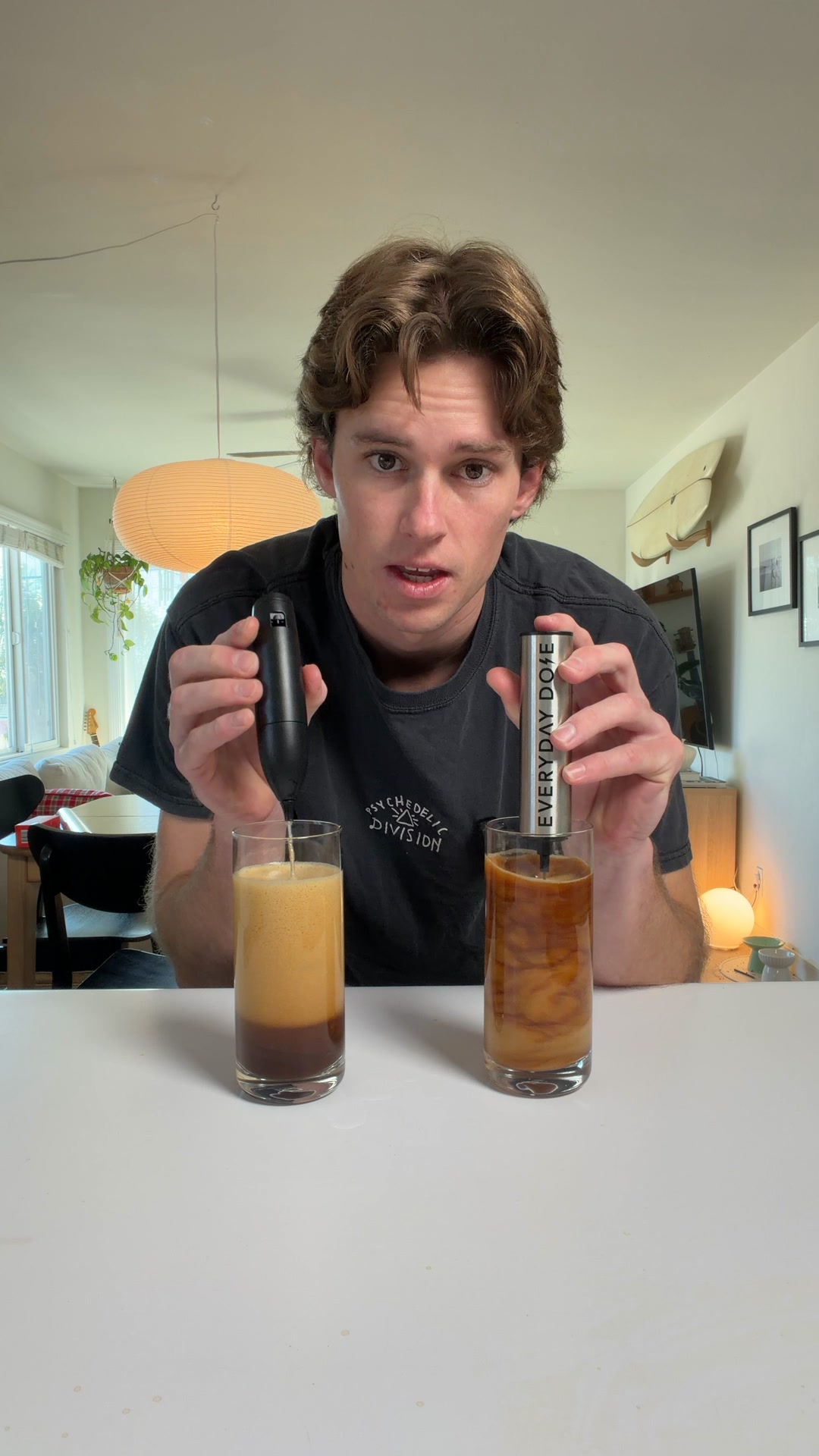
Of 311 supplement ads live on Meta in September 2026, from 57 brands, the median had run 26 days and 23% had run 60 days or more; Everyday Dose's mushroom-coffee ad had run 295 days.
Which supplement brands run the most Facebook ads?
Of the 57 supplement brands we looked at in September 2026, Grüns had the most different ads live (115), then Inno Supps (103) and BIOptimizers (91), and Grüns also had the most past 60 days (55).
Before you launch a supplement ad
- 1Set the ad set to 18+ (protein-only products are exempt).
- 2Say what the product supports in a normal body.
- 3Describe a symptom as something people get, never as something the viewer has.
- 4Print where any number came from (how many people, how long, what kind of study), and keep trial-grade evidence on file for the claim itself.
- 5Give any result in a set time a qualifier, and make it the typical result.
- 6Name no disease, no disease symptom, and no drug the viewer might take.
- 7Make three versions of the line you can back, and keep the one your results favor.
How we got this
We looked at 311 Meta ads from 57 supplement brands in the Ad Library, up to 8 per brand, last seen live September 1-19, 2026, and sorted each ad's copy by the kind of claim it makes. Days running count from each ad's start date to the last day we saw it live; stopped ads aren't in the sample. Meta's policy text, its July 22, 2026 change log and the FTC guidance were checked October 18, 2026. Also used: 21 CFR 101.93, the FDA's structure/function guide, Meta's commerce policy on medical products and its help page on data source categories.
Make your next ad from what already runs
Research what competitors are running, then generate your own on-brand ads in minutes.