Beauty and Skincare Ads: What 111 Brands Keep Running on Meta
Beauty and skincare ads from 111 brands, live on Meta in September 2026: the layouts that lasted 60+ days, examples of each, and the claim rules.
The beauty ads brands keep paying for on Meta are plainer than any swipe file: a product shot with one line, someone talking to camera, the product going on. In 271 ads from 111 brands that were live in September 2026, product shots were the most common layout, and among the common layouts, to-camera videos most often passed 60 days (16 of 41). You can make the statics from one product photo this afternoon. What can still get them rejected, or make your serum a drug in the FDA's eyes, is the wording, and Meta rewrote its beauty rules on July 22, 2026.
The beauty ad layouts that last on Meta
The inspiration most beauty marketers find is a Fenty or Dove campaign they could never afford, or a swipe file with no dates on it. So we drew up to three random live ads from each of 111 beauty and skincare brands selling in the US and sorted them by what the image, or the video's first frame, shows.
Days each beauty ad had run when we last saw it live
One dot per ad. Violet dots had passed 60 days.
days live
Product shots with one line are the default: 77 ads, run by 52 of the 111 brands. To-camera videos are about half as common and stay on longer: of the 26 brands running one, 11 had a to-camera ad past 60 days, against 14 of the 52 running product shots. Text-led ads passed 60 days at a higher rate (6 of 11), but three of those six came from one brand, Bare Ritual, so that row is too small to lean on. Offer ads had a median of 6 days because sale-date offers die with the sale; the 12 that passed 60 days never ended in practice: first-order codes, audience discounts, a $9 first month.
Run length isn't performance; it shows what brands keep paying for. Our read is that the layouts that last are the cheap ones, and they show the product or a person before any claim. The classic beauty-ad devices are rare in live ads: 9 before and afters, and 8 texture close-ups with none past 60 days. Among brands whose longest-running ad had passed 60 days, that ad was a product shot 14 times, the product going on 8, someone talking to camera 8, and a before and after once.
Skincare and beauty ad examples, by layout
Nine ads, one or two per layout. Each card says whether it came from the random sample or is the brand's longest-running ad.
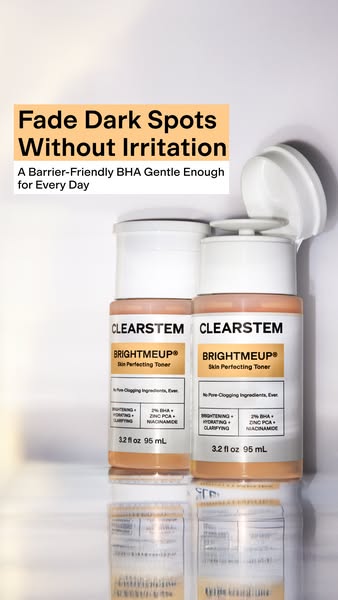
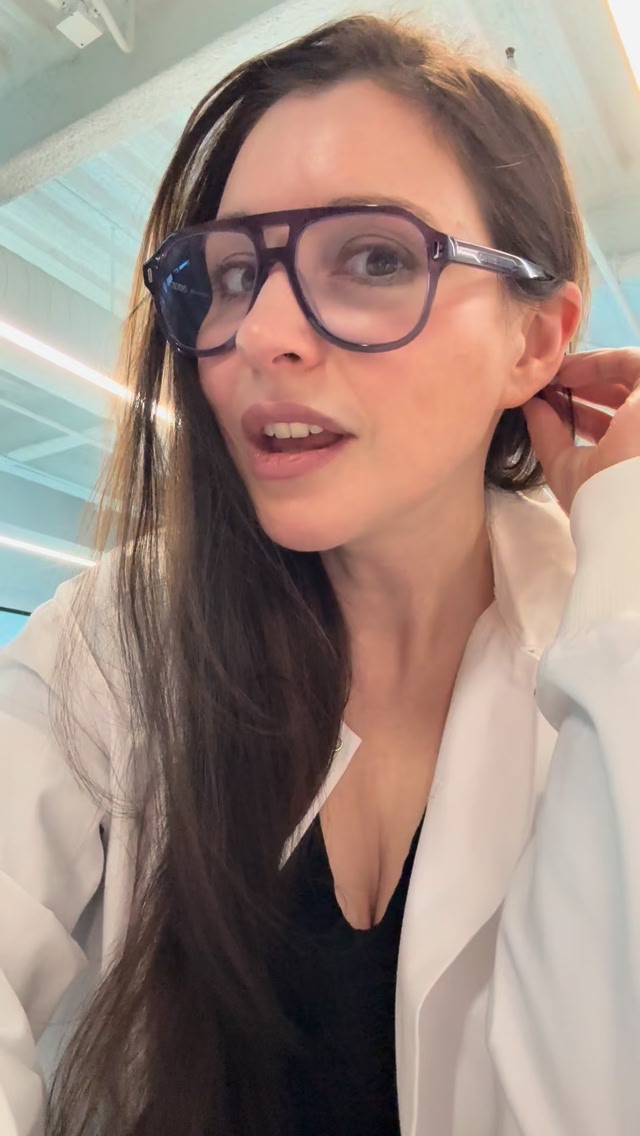
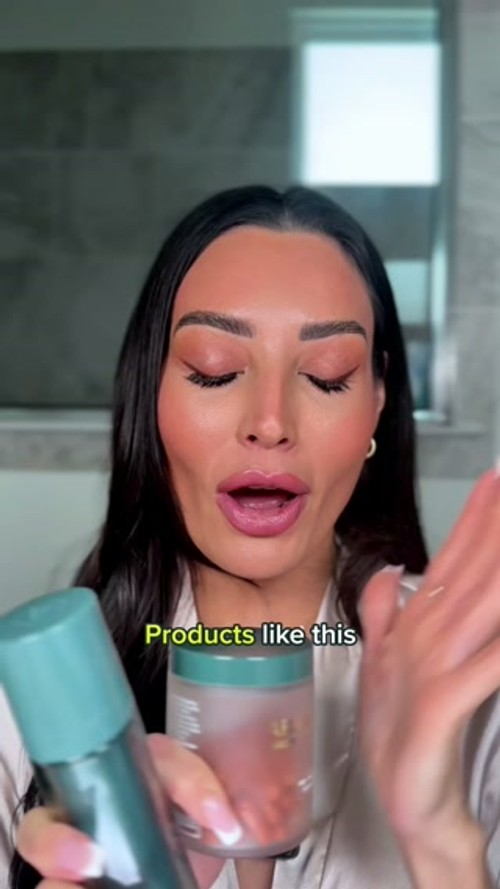
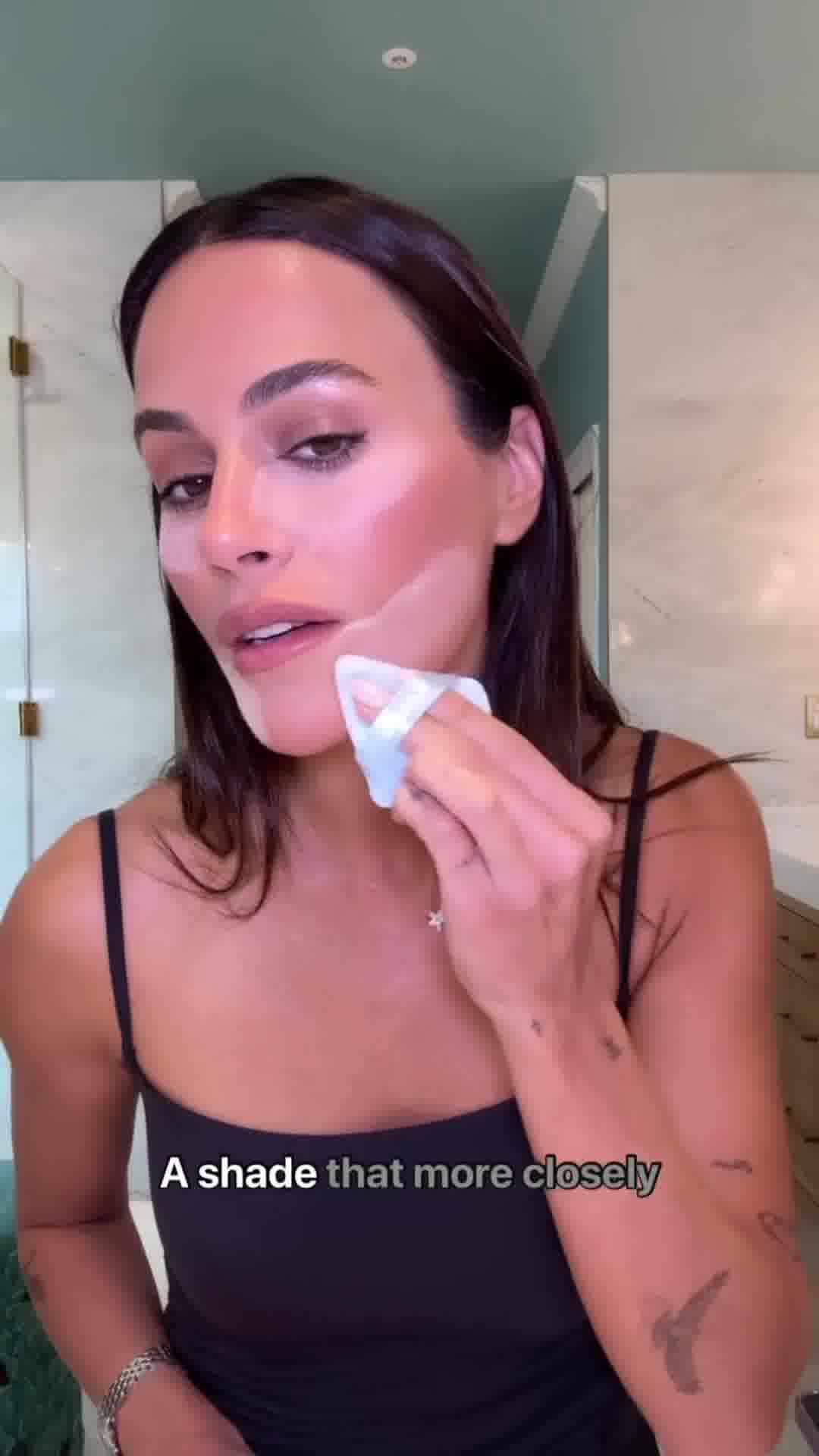
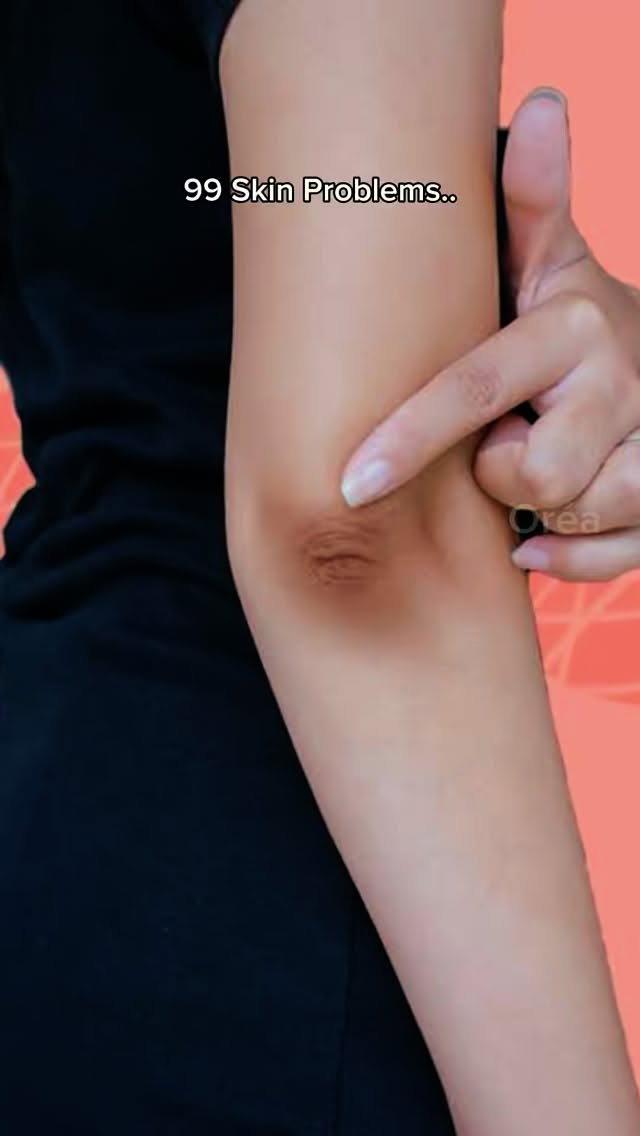
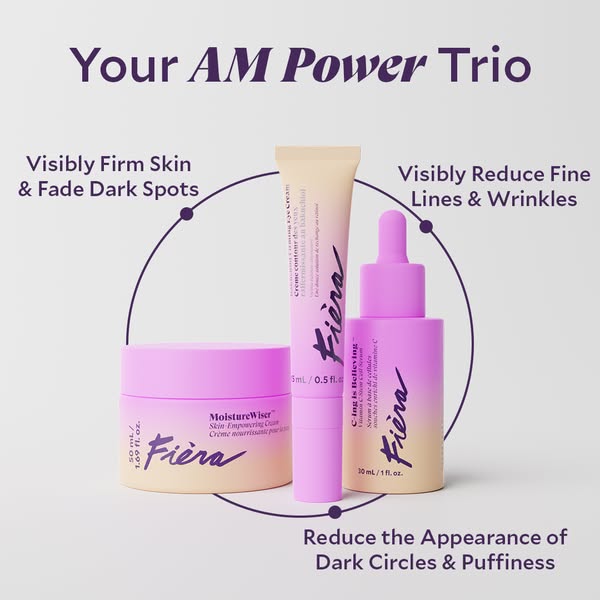
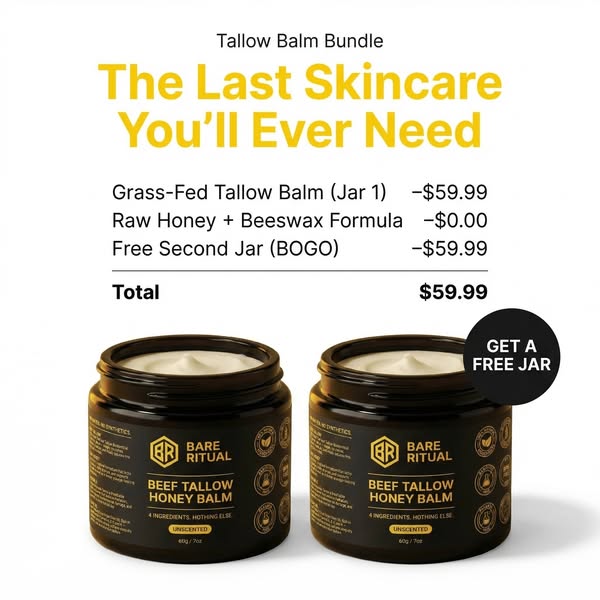
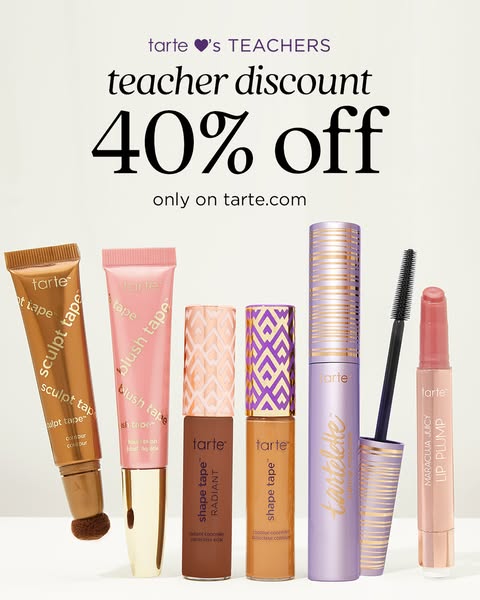
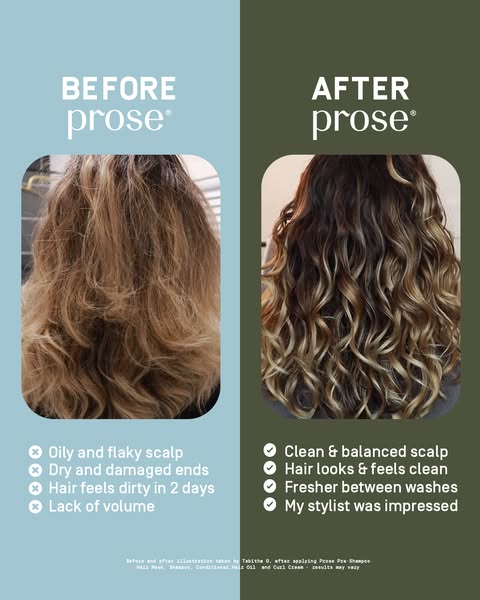
In the random sample, only Bask & Lather Co's before and afters passed 60 days: one hairline carousel, 334 days when we last saw it live, September 2, 2026. Prose's, above, is that brand's longest-running ad.
To browse more, see our long-running beauty and skincare ads, or point competitor research at a rival to see every Meta ad they're running, longest-running first, before you copy a layout.
How to make each layout, and what one costs
Five of the eight layouts come out of one product photo. What goes in the first frame of each, and the cheapest way to make it:
Swipe sideways to see every column
| Layout | What goes in the first frame | Make it with | Cost per ad |
|---|---|---|---|
| Product shot with one line | The product on a plain set, one benefit line | AdMakeAI Minimalist or Product Showcase template, from one product photo | $0.16 (Fast) or $0.62 (Sharp) |
| Someone talking to camera | A person facing camera, product in hand, captions burned in | You or a founder on a phone; a creator with a year of ad rights; or an AdMakeAI UGC draft to test the hook first | Your time / $57 to $263 / $1.17 per 15-second clip |
| Product going on | Hands, a sponge or a dropper applying it | AdMakeAI Product in Hand template for a still; a phone video for motion | $0.16 (Fast) |
| Skin or hair up close | Real skin or hair, one caption line, no question about the viewer | Phone footage of a real person, with written permission | Your time |
| Claim callouts | Product plus 2 or 3 short claims, or one number with its footnote | AdMakeAI Infographic template, using only claims you can back | $0.16 (Fast) |
| Text-led, looks like a post | A receipt, a pop-up, a search screen, a block of text | AdMakeAI iPhone Screenshot template, or Canva | $0.16 (Fast) |
| Evergreen offer | An audience or first-order discount, no end date | Any template with the offer line | $0.16 (Fast) |
| Before and after | Two real photos of one customer, named, with fine print | Real customer photos with written consent; never generated | Your time |
AdMakeAI prices on the $39 Starter plan (500 credits): Fast is 2 credits, Sharp 8. Sharp and the UGC generator need a paid plan. Creator prices from our UGC ad examples post, October 2026.
One serum photo, three long-running layouts
A product shoot can cost more than a month of test budget, and every new angle means booking another one. For the static layouts you don't need it. We uploaded one phone photo of our test serum to three AdMakeAI ad templates, typed the headline and the callout wording into the instructions, and picked 4:5 for the feed.
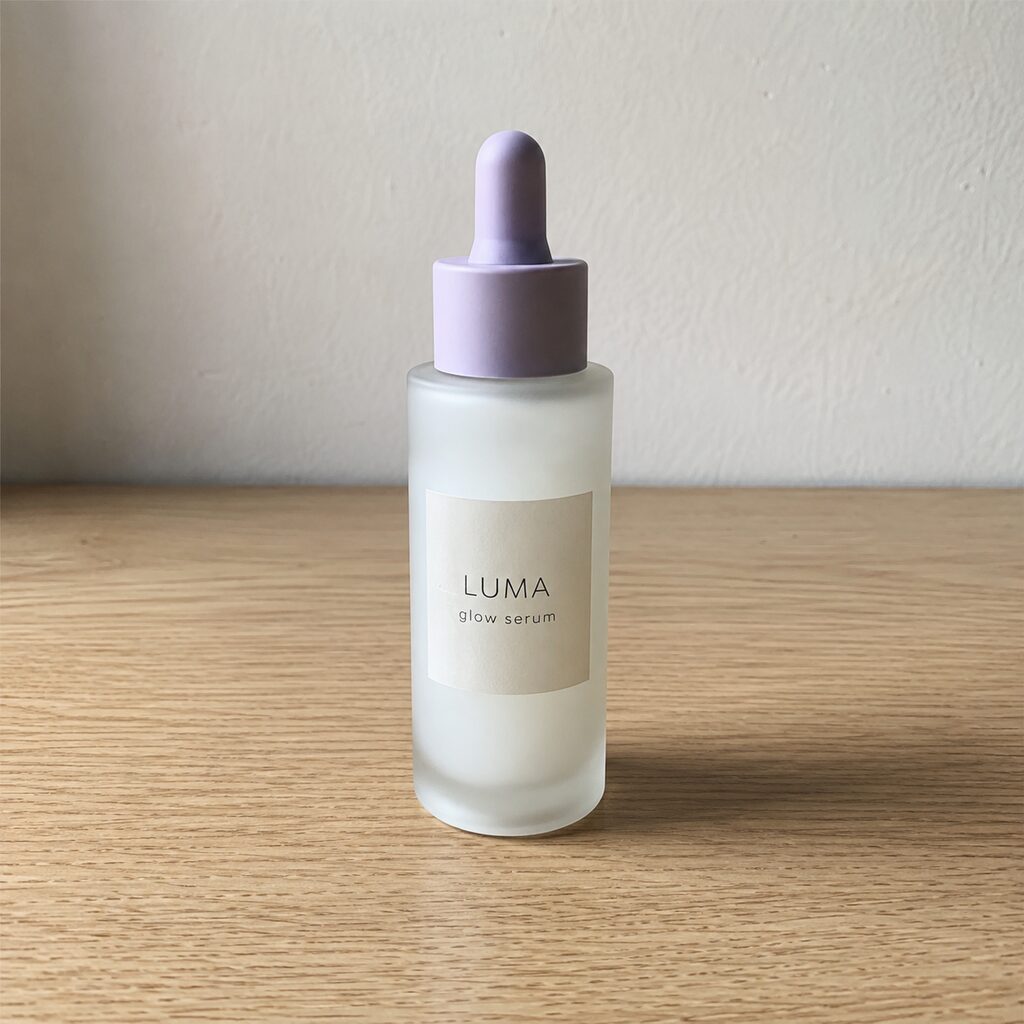
In: one phone photoOur test bottle on a table.
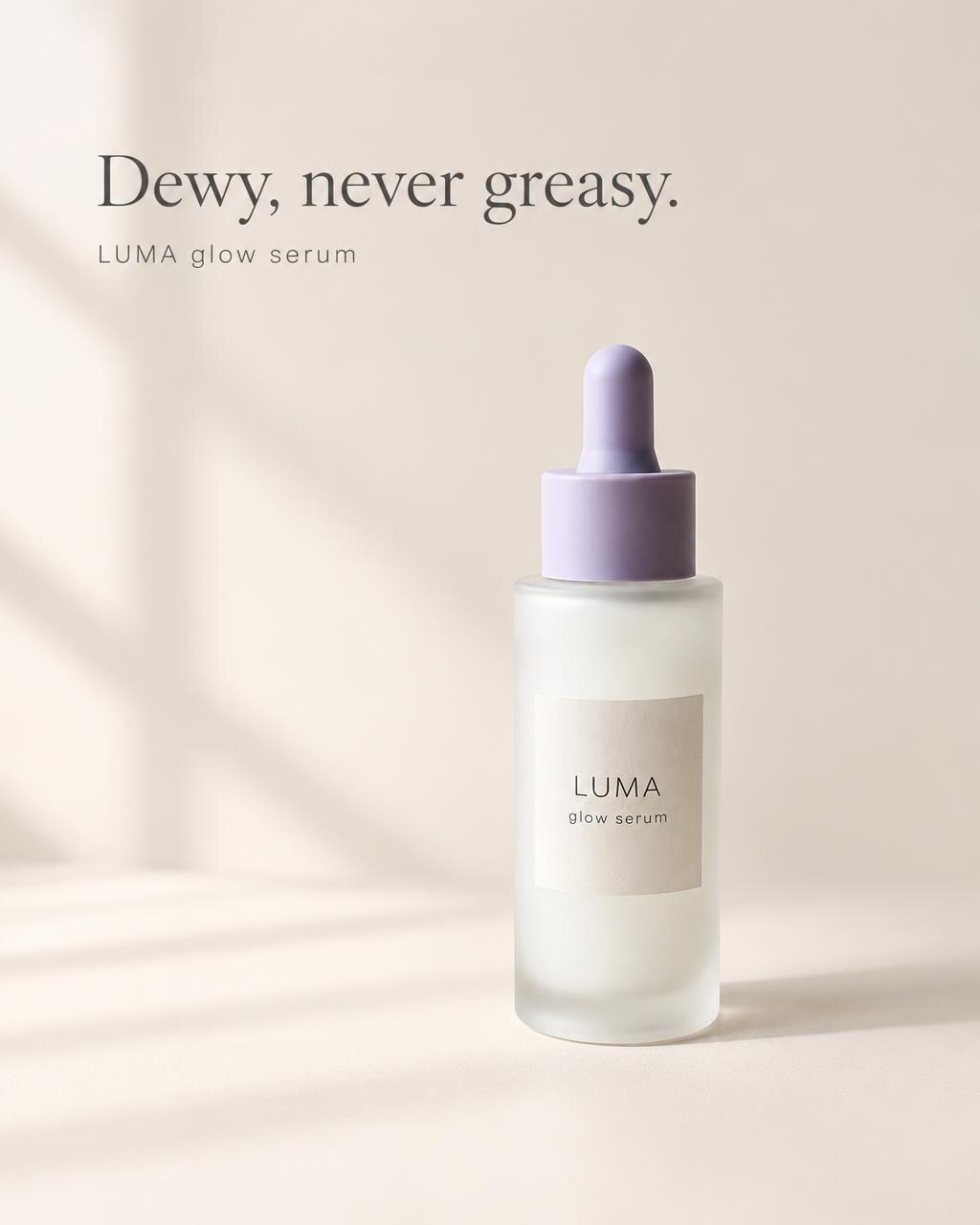
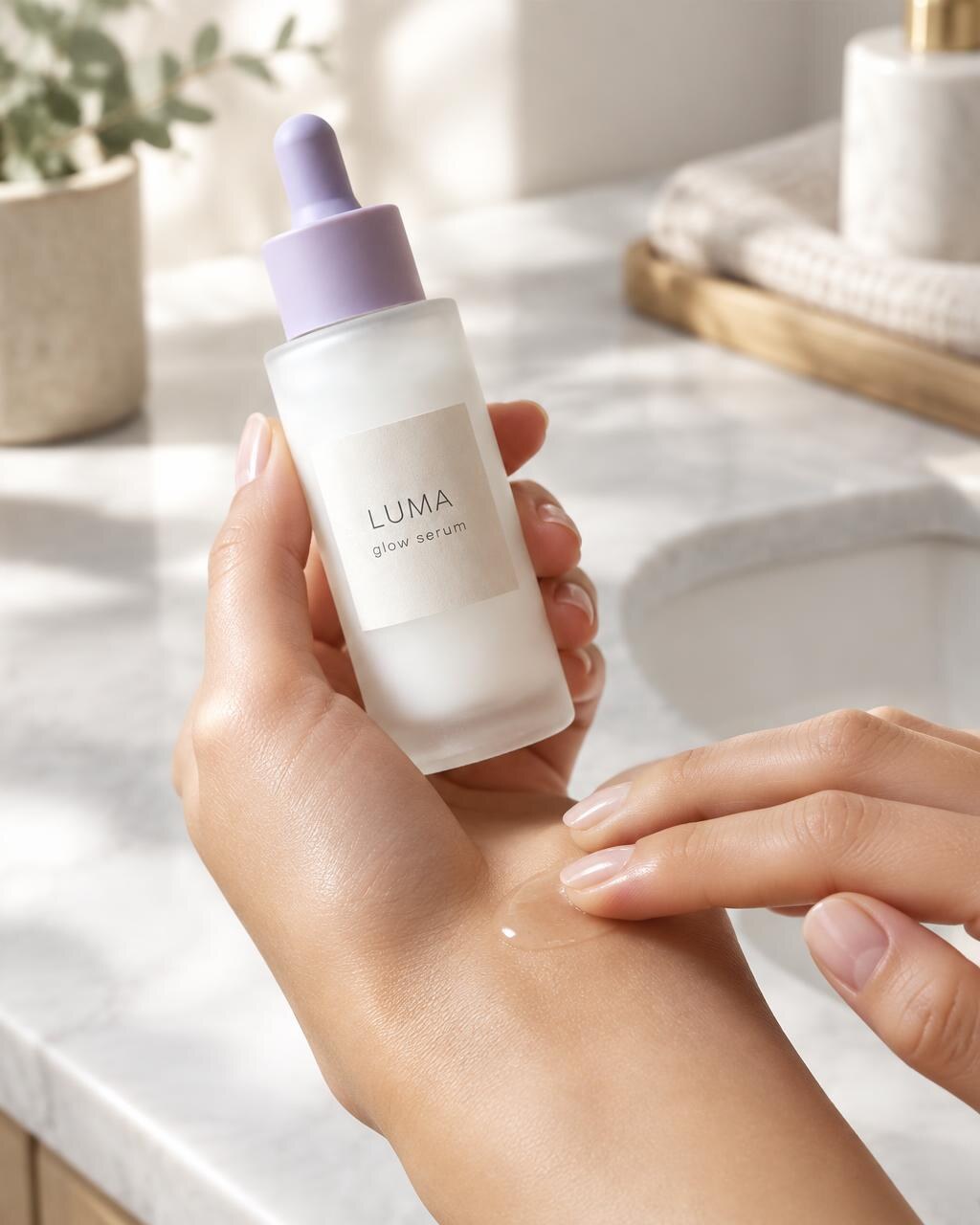
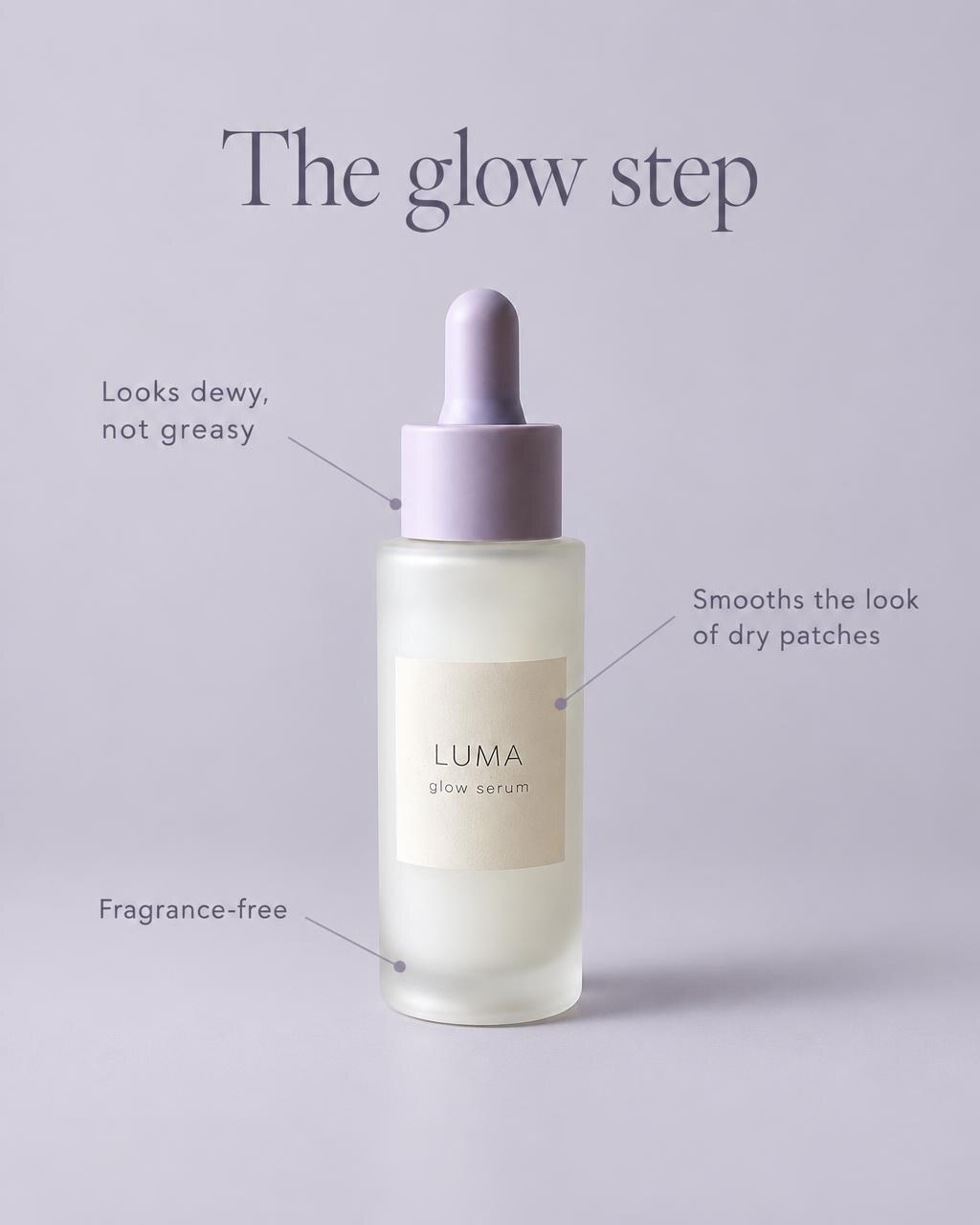
Each came back in under 35 seconds with the label spelled right and hands that hold up to a close look. At $0.16 an ad, a week of fresh creative in all three layouts costs less than one creator video. Add up to three product photos and your site URL, and the copy starts from what your product page already says.
Upload one product photo and AdMakeAI makes the product shot, the product going on and the callout version. Type your claims the way the long runners word theirs (“visibly”, “the look of”). Try all three on your own product with your 30 free credits; running them as ads starts on the $39 plan.
Make your three adsWhat a beauty ad can say under Meta, FDA and FTC rules
Supplements follow stricter health rules; see supplement ads.
1. Before and afters are allowed for cosmetics, at 18+
Meta's Health and Wellness standard, updated July 22, 2026, lets ads for "general cosmetic products, procedures, surgeries depicting before and after transformation" run when targeted to people 18 and older. The same update struck an old ban on side-by-side comparisons for wrinkle treatments. Creams, makeup and hair products are exempt from the age rule in general, but the page doesn't say which wins for a cream's before and after, so target 18+ when you run one. If Meta rejects it anyway, here's how to read the rejection.
2. Word results as how skin looks or feels
What your advertising claims is one of the things the FDA weighs when it decides whether you sell a cosmetic or a drug. A product meant to make lines less noticeable by moisturizing is a cosmetic; one meant to remove wrinkles or boost collagen is a drug or a medical device. If you sell an over-the-counter drug, like an acne cleanser or an antidandruff shampoo, drug claims are the right ones. Here is how the captions in our sample handled it:
1,047
beauty ad captions
206
claimed a result for skin or hair
Of those 206
92
said visibly, the look of or feel
6
used drug-style verbs
How it looks or feels
Cosmetic claim
What it changes in the body
Makes a cosmetic a drug
The FTC goes after the proof behind the claim: in 2014 L'Oréal settled over Génifique ads that called it "clinically proven" to boost genes' activity, with results in 7 days for 85%, 82% and 91% of women.
3. Show the problem, don't tell the viewer they have it
Meta won't run cosmetic ads with "statements of inferiority about physical appearance". Its personal attributes standard rejects "Ready to upgrade your skin to look younger?" because it implies the viewer's age, and naming a skin condition the viewer has implies a health attribute the same way. "You" on its own is fine. Orea's elbow ad above shows the skin and lets the viewer draw the conclusion, and only 3 of 1,047 captions opened on "struggling with" or "tired of".
Meta's health standard also calls "promises of specific outcomes within a set timeframe without disclaimers or qualifiers" clickbait. It doesn't say whether a serum counts; a qualifier like G.M. Collin's below covers you either way.
4. Numbers, results and paid faces get fine print
Under the FTC's Endorsement Guides, a customer's result reads as what buyers generally get. If you can't back that, the ad should clearly disclose the generally expected result. Pay or free product the audience wouldn't expect should be disclosed, and so should actors presented as customers. Here is what that looked like on real ads:
Fine print from real beauty ads
Paid someone to be on screen? Say so.
 “Those appearing in this video were compensated for their time, testimonial, and use of their image”
IL MAKIAGE, 54 days when we last saw it live, Sep 2, 2026
Quoting a number? Footnote who, how many and how long.
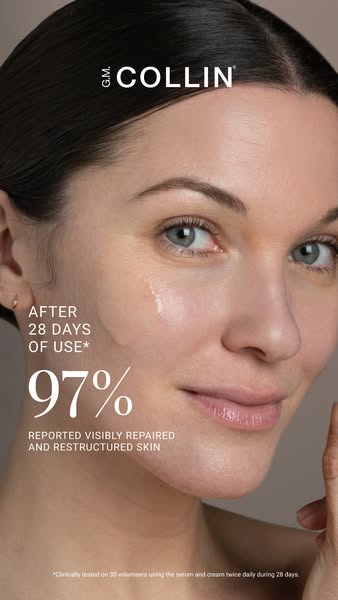 97% reported visibly repaired and restructured skin*Clinically tested on 30 volunteers using the serum and cream twice daily during 28 days.
G.M. Collin, 130 days when we last saw it live, Sep 4, 2026
Not real customers on screen? Say so.

MDacne, 116 days when we last saw it live, Sep 11, 2026
For quoting customers, see the testimonial rules in full.
5. Never generate a skin result
The FTC's fake reviews rule, announced August 14, 2024, bans testimonials that misrepresent that they're by someone who doesn't exist, "such as AI-generated fake reviews", and knowing violations can cost up to $53,088 each in civil penalties. An AI presenter can explain an ingredient or read your hook; label it, and never let it show "their" skin. Here's how one brand labeled its AI performer.
Beauty ads FAQ
What are the best types of beauty ads on Facebook and Instagram?
In 271 beauty and skincare ads from 111 brands, live on Meta in September 2026, a product shot with one line was the most common layout (28%). Among the common layouts, people talking to camera most often stayed on past 60 days (16 of 41). Before and afters were about 3%.
Can skincare ads show before and after photos on Facebook?
Yes. Since Meta's July 22, 2026 update, ads for general cosmetic products can show a before and after when targeted to people 18 and over. Under the FTC's Endorsement Guides, the photos should be real and show what buyers generally get, or the ad should say what that is.
What claims can you make in a skincare ad?
Claims about how skin looks or feels: visibly smoother, the look of fine lines, hydrated. If you sell it as a cosmetic, skip removes wrinkles, boosts collagen, regrows hair and treats acne: under FDA rules, claims like these, in ads too, can make it a drug.
Do beauty ads need a disclaimer?
When the ad shows a paid person or a result: say who was paid and what results buyers generally get. For a number, we'd add how many people and for how long. “Results may vary” alone doesn't cover a result most buyers won't get.
What should a skincare ad photoshoot include?
A product shot on a plain set with room for one line, hands applying the product, and someone talking to camera. The first two can be made from one product photo in AdMakeAI.
How much does it cost to make a beauty ad?
An AdMakeAI static costs 2 credits at Fast or 8 at Sharp, about $0.16 or $0.62 on the $39 plan. A creator video with a year of ad rights runs $57 to $263.
Where can I see what beauty brands are running on Facebook?
Meta's Ad Library shows every active ad and its start date. Our beauty and skincare gallery collects long-running ones, and competitor research sorts a rival's live ads by run length.
Before you launch a beauty ad
- 1Open on the product or the skin, not a question about the viewer’s flaw.
- 2If you sell it as a cosmetic, word results as how skin looks or feels (“visibly”, “the look of”) and cut removes, boosts collagen, regrows, treats.
- 3Give every number a footnote: how many people, for how long, using what.
- 4Before and after: a real customer, written consent, what they used, what buyers generally get. Target 18+.
- 5A paid creator, an employee or a gifted product on screen: say so on screen or in the first line.
- 6A generated person gets a label and never shows “their” results.
- 7Make three layouts per product (product shot, product going on, callouts) and keep paying for the ones that hold their CPA.
How we got this
Ads from our Meta Ad Library database, seen live September 1-17, 2026: up to three random live ads from each of 111 beauty and skincare brands selling in the US, 271 distinct ads after dropping non-English, other-market and off-category ads, with carousel cards and dynamic variants counted once. Four gallery picks (CLEARSTEM, Kosas, Fièra, Prose) are each brand's longest-running live ad instead. Layouts are judged from the image or the video's first frame; days run from the Ad Library start date to the last day we saw the ad live. Policy text from Meta's Health and Wellness (change log dated July 22, 2026) and Personal Attributes standards, FDA cosmetic and drug guidance, FTC 16 CFR 255.2, 255.5 and 465, and the FTC's 2014 L'Oréal settlement, read October 18, 2026. LUMA ads made with AdMakeAI's ad templates on October 18, 2026. Our reading, not legal advice.
Make your next ad from what already runs
Research what competitors are running, then generate your own on-brand ads in minutes.