Testimonial Ads: What 363 Live Meta Examples Show, and the Rules for Using Reviews (2026)
A quote alone didn't make Meta ads run longer; the layout did. What 363 live testimonial ads show, the examples worth copying, and the rules for using a review.

A testimonial ad puts a customer's words in the creative: a quoted review, a screenshot of their message, or the customer on camera. We went through 363 live Meta ads that had one, and the testimonial itself bought nothing: those ads ran exactly as long as ads without one. The layout made the difference, so pick the one that fits the proof you actually have, and keep every word of it real, because almost nobody discloses anything and the FTC now fines fake testimonials.
A testimonial alone didn't change run length; the layout did
We pulled 826 live ads from review-related searches in Meta's Ad Library. The 363 with a testimonial on the creative had been running a median 154 days. The 463 without one: 153. Split by layout, the gap opens to almost six months.
Median days running, live Meta ads
With a testimonial n=363
154
No testimonial, same searches n=463
153
One day apart. The quote alone didn't keep ads running.
The layout did
Review card: 24 of the 40 came from local service businesses: roofers, HVAC, tire shops, dentists.
Days running isn't performance, but advertisers rarely keep paying for an ad that loses money, so a layout that keeps surviving is worth a look. Our read of the top of that chart: review cards come mostly from local service businesses, and a roofer's customer needs one thing from an ad, proof that someone nearby hired them and was happy. A full review does that better than any headline, so the same card runs for years. Customers filming themselves beat produced interviews for a similar reason: the phone footage looks like what it is.
The statics that lasted: a whole review, a short quote, an answered doubt
Here's what those layouts look like when they work. The oldest review card we found has run since April 2023.

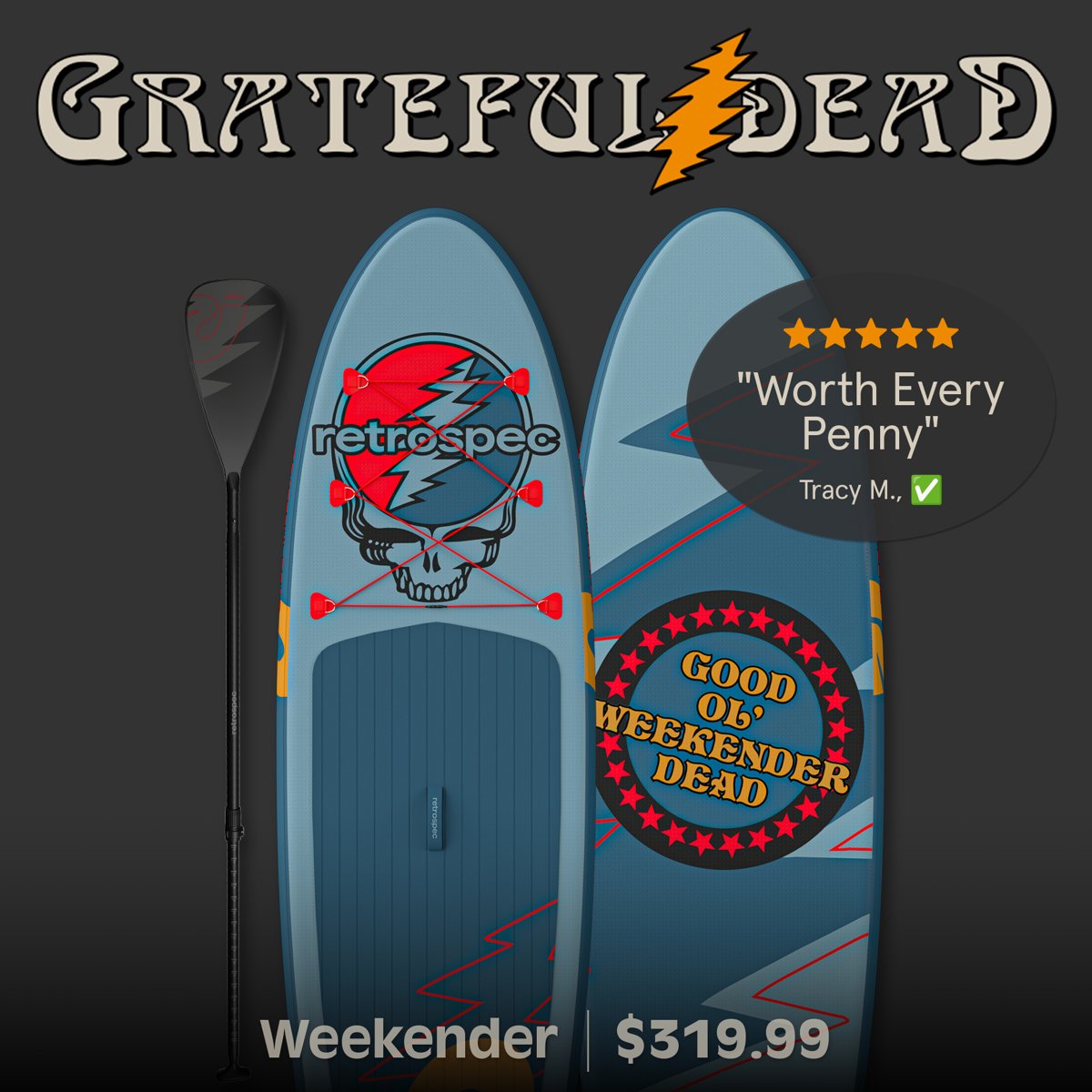
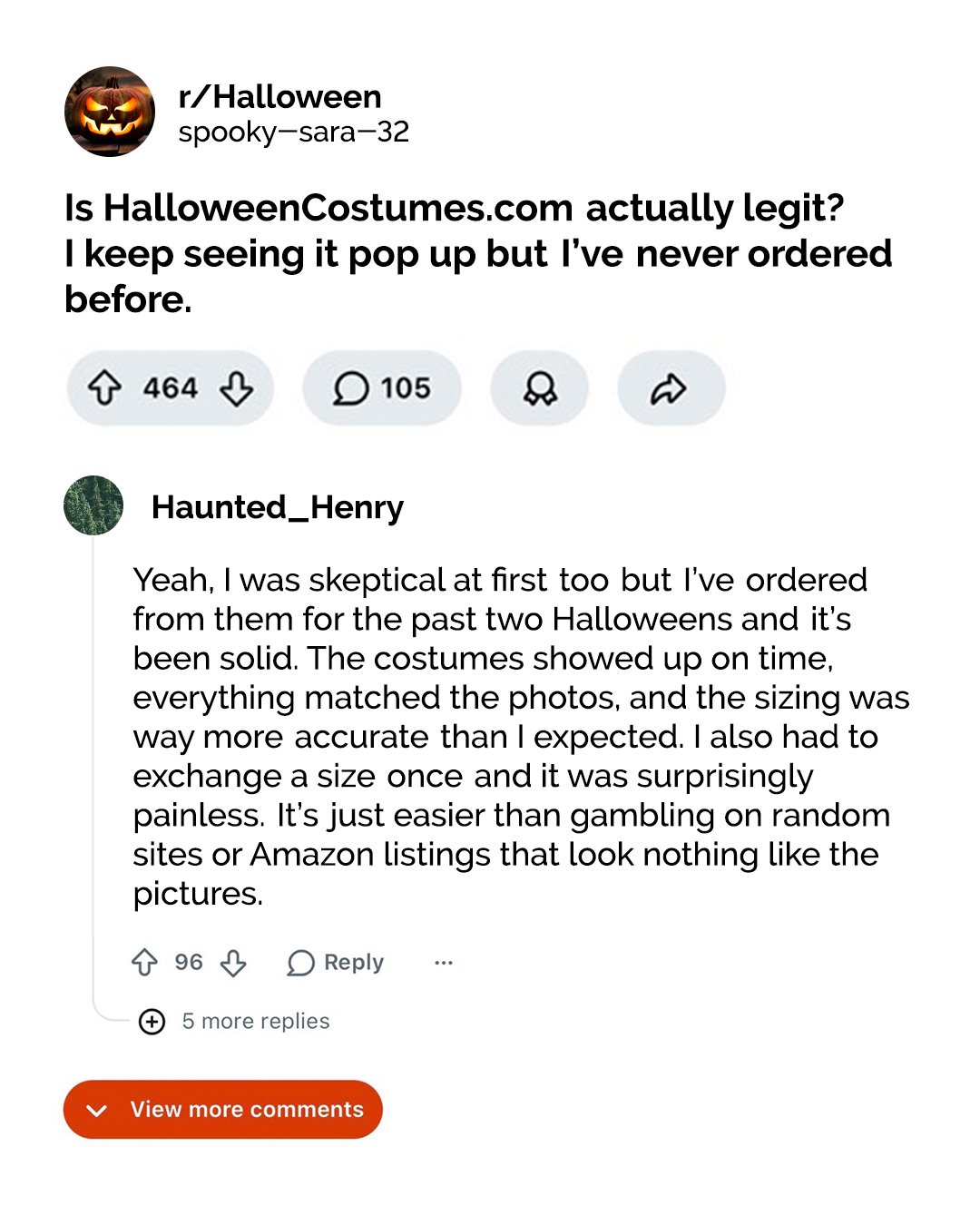
The thread is the newest ad here, and screenshots ran shortest among the bigger static layouts. We include it for the idea: pick the one objection your buyers have and let a customer answer it. For the layouts we didn't cover, see how long each static layout runs.
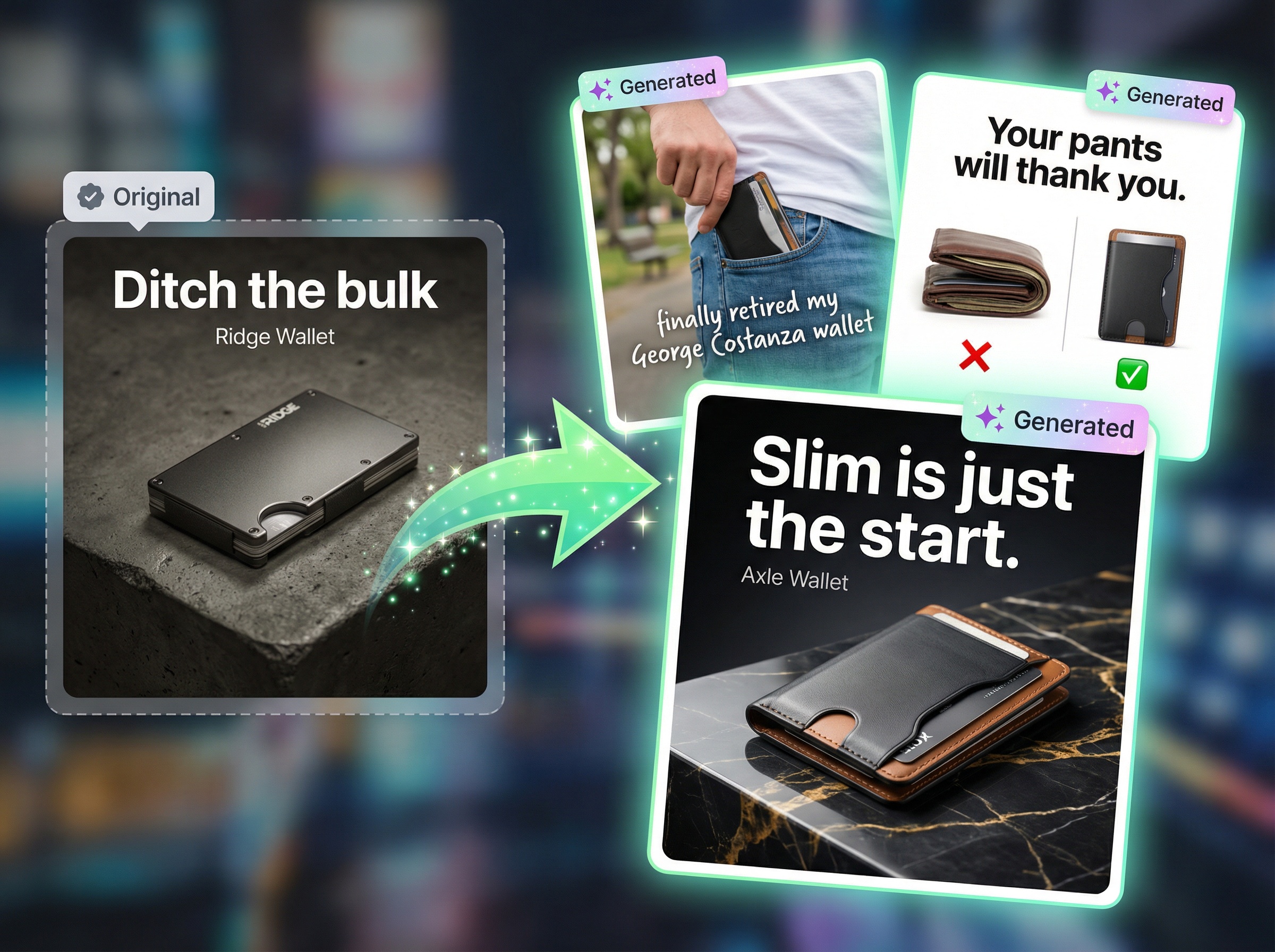
Every ad in AdMakeAI's Top Ads has a Remix button that rebuilds the layout around your product. Filter to testimonial ads, pick one, and drop in your customer's real words.
Browse testimonial adsVideos: customers on their own phone outlasted produced interviews
The same pattern holds on video. Phone-shot customers talking to camera ran a median 207 days, stories told in captions over product footage 160, and produced interviews 106 (158 if you drop one remodeler's six ads). Most of these are 9:16 with burned-in captions, so keep the captions inside the Reels safe zone.
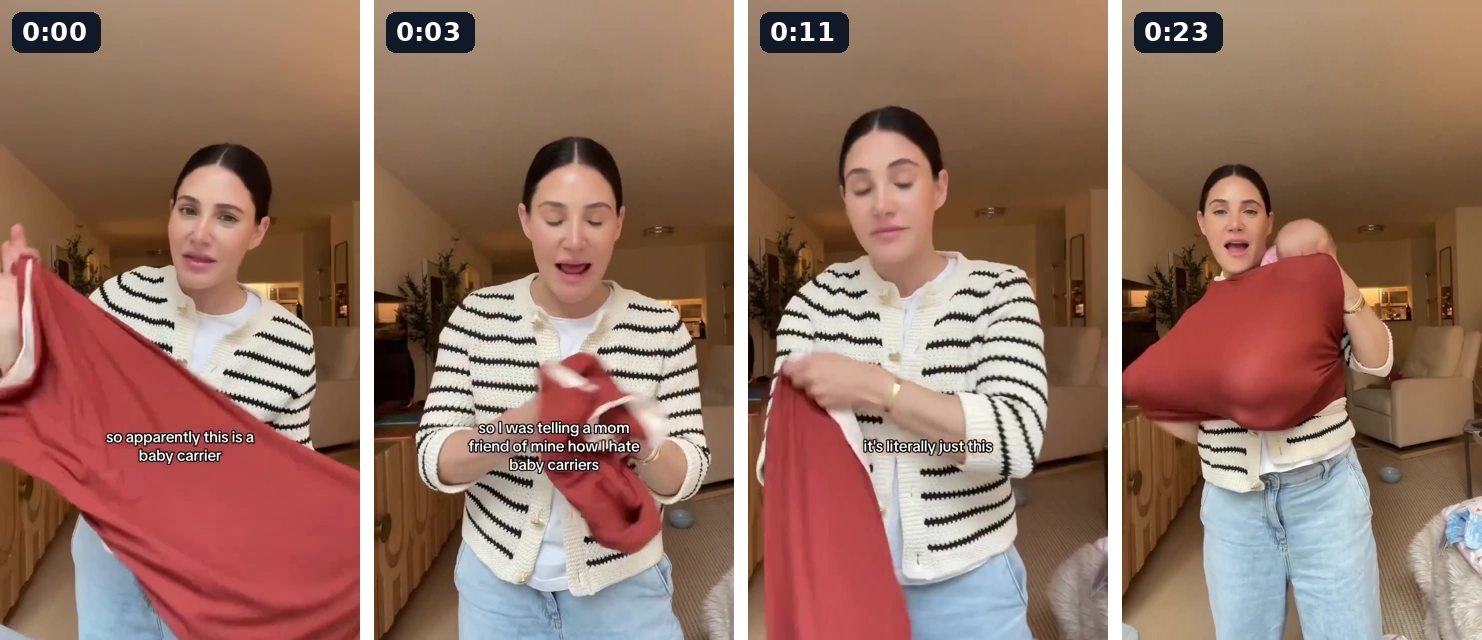
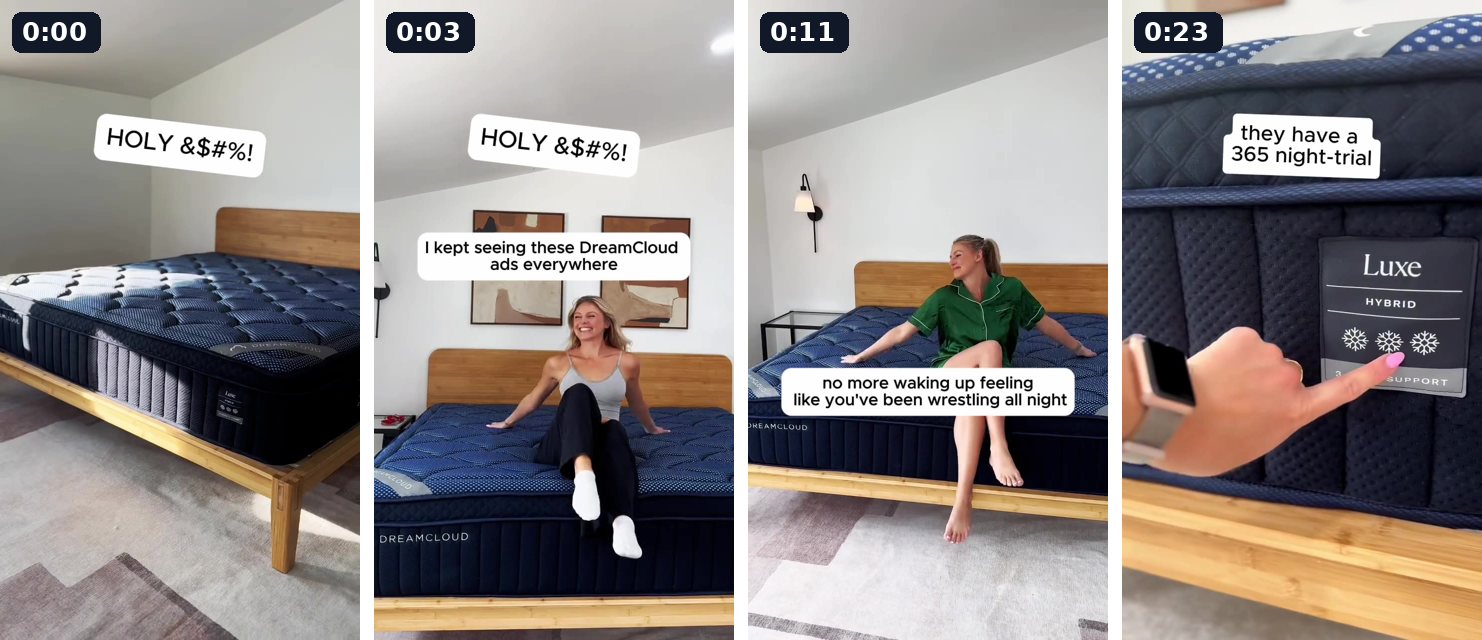
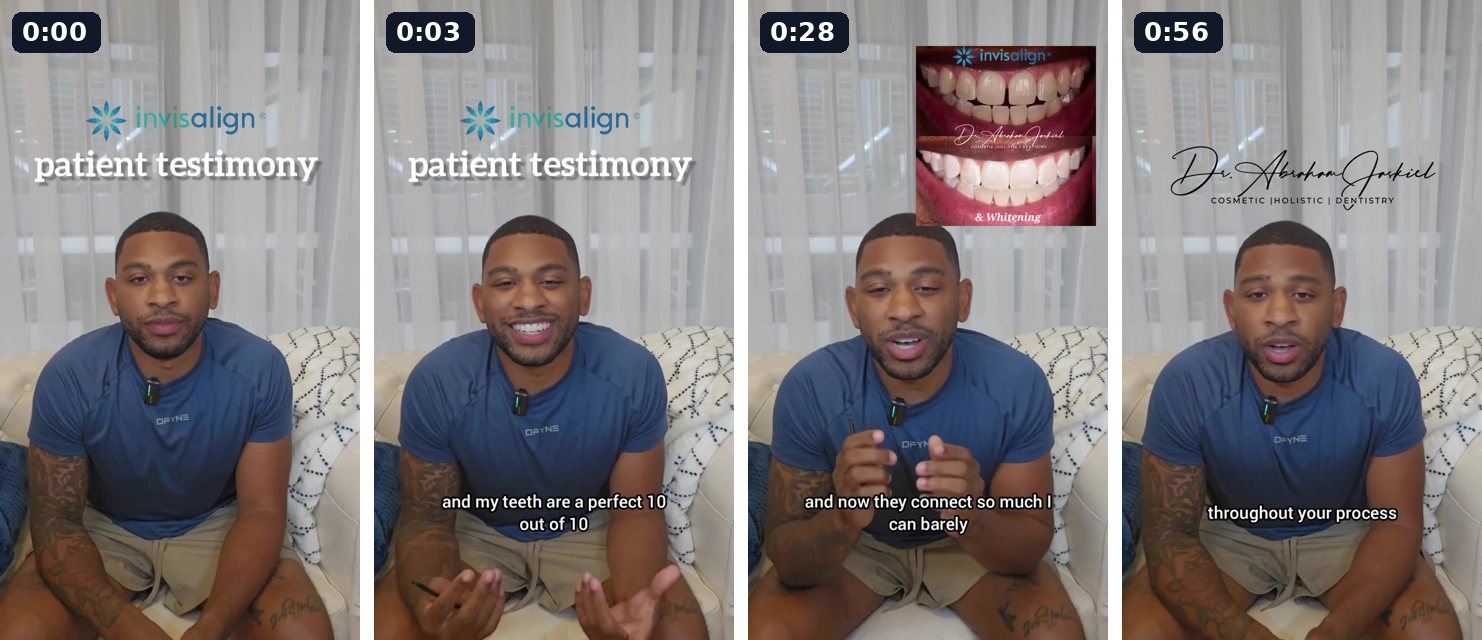
If no customer will film, a creator can, as long as the ad doesn't pass them off as a buyer. Formats and what creators charge with ad rights are in UGC ad examples.
Almost none of them say who's behind the quote
Look at those ads again and one thing is missing. Over a third name the customer, but very few say whether that customer got paid, got the product free, or works for the brand.
363 live testimonial ads
How many tell you who is talking, and who paid
125of 363
named the customer
A name, initials or handle on the creative. Easy to add, and over a third did.


From the outside we can't tell which of these customers got anything, and plenty probably didn't need a disclaimer. But the default is silence, and silence is what the rules below don't allow when there is a deal behind the quote.
What has to be true before a review goes in your ad
Since October 21, 2024, the FTC's review and testimonial rule bans testimonials from people who don't exist (AI-written ones included), reviews bought for five stars, and hiding the bad ones, at up to $53,088 per violation. The first case under it, against a kids' supplement brand in 2026, involved employee-written reviews and free product for five stars. The FTC also faulted its height claim; more on supplement claim wording. Every part of a review card maps to one of these rules:
“These leggings didn't slide down once on a 10k.”
Down 2 sizes since March
Dana got a free pair for an honest review.
Then there's permission. Reviewers own their reviews. Google requires the reviewer's consent before you use a review in an ad, and you can ask by replying to it. Trustpilot only allows ad use on paid plans. Some states, California and New York among them, require consent to use someone's name or photo in advertising, and medical practices need a written authorization for patient testimonials. Ask after the review is written; the FTC's guidance says that if customers knew up front they might be featured, the ad should say so.
This is how we read the rules, not legal advice. If you sell health, finance or legal services, have someone qualified check the claims.
Which layout to make with what you have
Put the two halves together and the choice gets simple: start from the real proof in your inbox, and pick the layout that shows it most directly.
Pick what you have
“On time, yard left spotless, and not one drip in the first storm.”
Mark T. · Google review
Review card
276 median days, 40 ads
Keep true: Their exact words and their OK. Google asks you to get the reviewer's consent first.
If you have the review and no designer, the free AI ad maker turns a product photo into a static ad in about 30 seconds. Paste the review word for word, once the customer has said yes.
Testimonial ads FAQ
What is a testimonial ad?
An ad built on a customer's own words: a quoted review, a screenshot of their message, or the customer on camera. Once a review is in an ad, the FTC treats it as a testimonial, with the rules that come with it.
Do testimonial ads work?
Meta doesn't publish results by format. In our sample, ads with a testimonial ran as long as ads without one (median 154 vs 153 days), while the layout moved run length from 106 to 276 days.
Can I use customer reviews in my Facebook ads?
Yes, if the reviewer is real, you keep their words accurate and you have their permission. Google requires reviewer consent for ads, and Trustpilot allows it only on paid plans.
Are AI-generated testimonials legal?
A testimonial from someone who doesn't exist is banned, up to $53,088 per violation. The FTC says an AI avatar reading a real customer's real testimonial isn't banned outright.
Is "results may vary" enough on a testimonial ad?
No. The FTC calls "results not typical" insufficient; say what customers generally get, or have proof the result shown is typical.
What is the difference between a testimonial and an endorsement?
Under FTC rules there isn't one; it treats them identically. Payment doesn't change the label, it changes what you have to disclose.
Before a review goes in an ad
- 1Get the customer's yes in writing: the exact words, how their name appears, their photo, where the ad runs.
- 2Quote them word for word. Trim to the best line; don't reword.
- 3If the quote names a result, say what most customers get.
- 4Put free product, discounts, payment, or an employee or relative on the ad itself.
- 5Check the review site's terms: Google wants the reviewer's consent, Trustpilot needs a paid plan.
- 6When the product changes, retire the old testimonials and collect new ones.
How we got this
On October 10, 2026 we ran 33 review-phrase searches in Meta's Ad Library (US, active ads, first results page each) and labeled all 826 ads with a viewable creative by layout; 363 from 277 advertisers had a testimonial. Videos were judged from four frames and captions, without audio. Days running are counted to October 10, 2026. The searches match ad text and stopped ads are missing, so compare layouts with each other rather than reading them as results. FTC rules come from 16 CFR 255 and 465 and the FTC's guidance pages; Meta, Google and Trustpilot terms were checked the same day.
Make your next ad from what already runs
Research what competitors are running, then generate your own on-brand ads in minutes.