Meta Partnership Ads (Formerly Whitelisting): Setup From the Brand Side and the Creator Side
Whitelisting on Meta is now partnership ads. Ad code or account-level access: what each lets the brand run, how both sides set it up, and how the deal ends.
Whitelisting on Meta is now called a partnership ad: the creator approves it in the Instagram or Facebook app, and the brand runs it from its own Ads Manager with the creator's name in the ad header. Nobody shares a login. The choice that matters is which permission you ask for, an ad code for one post or account-level access to the creator's handle. It decides what you can run and what happens when the deal ends, and Meta ends neither on its own.
What changed when whitelisting became partnership ads
Old-style whitelisting meant the creator added the brand as a partner in their Business Manager, and the brand ran ads from inside the creator's assets. Meta's version keeps the two apart. The creator grants permission in the app, the brand keeps its own ad account, budget, targeting and results, and the ad carries both names. Meta's help articles now open with "Branded content ads are now called partnership ads", and agencies still say whitelisting or allowlisting for the same request.
Creator
Shawn Johnson East
- Name and face in the header
- Grants access in the app
- Keeps the post
Shawn Johnson East with AG1 by Athletic Greens
Sponsored
Brand
AG1 by Athletic Greens
- Its own ad account
- Budget, targeting, results
- No creator login
What most partnership ads show. The creator authored the post, so the creator comes first.
The account that authored the post always comes first in the header, and Meta says ranking uses signals from both accounts whichever name shows. Brands send ongoing requests through Meta Creator Marketing Hub, which Meta launched globally on September 15, 2026. Some help articles still call it Partnership Ads Hub, so don't worry if a guide uses the old name.
Pick the permission: ad code or account-level access
Since the creator grants access instead of sharing an account, everything depends on which grant you ask for. There are two, and they start from opposite ends.
Who taps what
Opens the post
CreatorTurns on the code
CreatorAd level in Ads Manager
BrandEnter ad code or post info
BrandWhat the brand can run
An ad code covers one post, story or reel. The creator turns it on from the post's menu and sends it over, and you paste it at the ad level after switching on Partnership ad. The post doesn't have to tag your brand, which makes codes the easy way to run gifted-product posts and UGC that never mentioned you. On Facebook, codes only exist after the post is published.
Account-level access starts with you: a request from Creator Marketing Hub that the creator approves in the Instagram app (Instagram on the web can't do it). It covers every post that tags you, archived ones included. It also lets you run new creative under the creator's name without it ever appearing on their profile, and it gives you a custom audience of people who engaged with the creator's account, plus lookalikes.
Our default is a code for a one-off post and account-level access for any creator you'll keep working with, or whenever you want their name on creative you made. A third path, the "Allow brand partner to boost" toggle on a post with the paid partnership label, only covers that post and fails if two brands are in the label. For in-app boost errors like that, see why Instagram rejects a promotion.
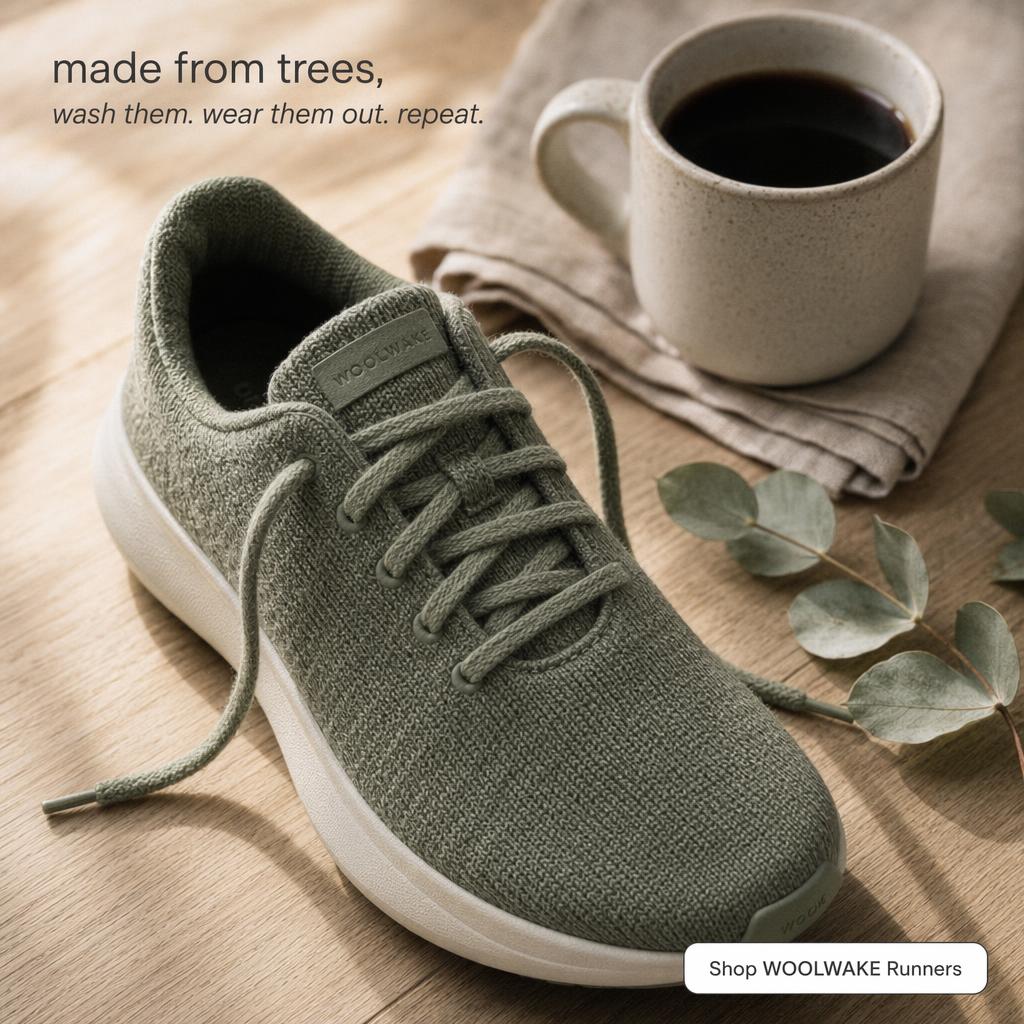

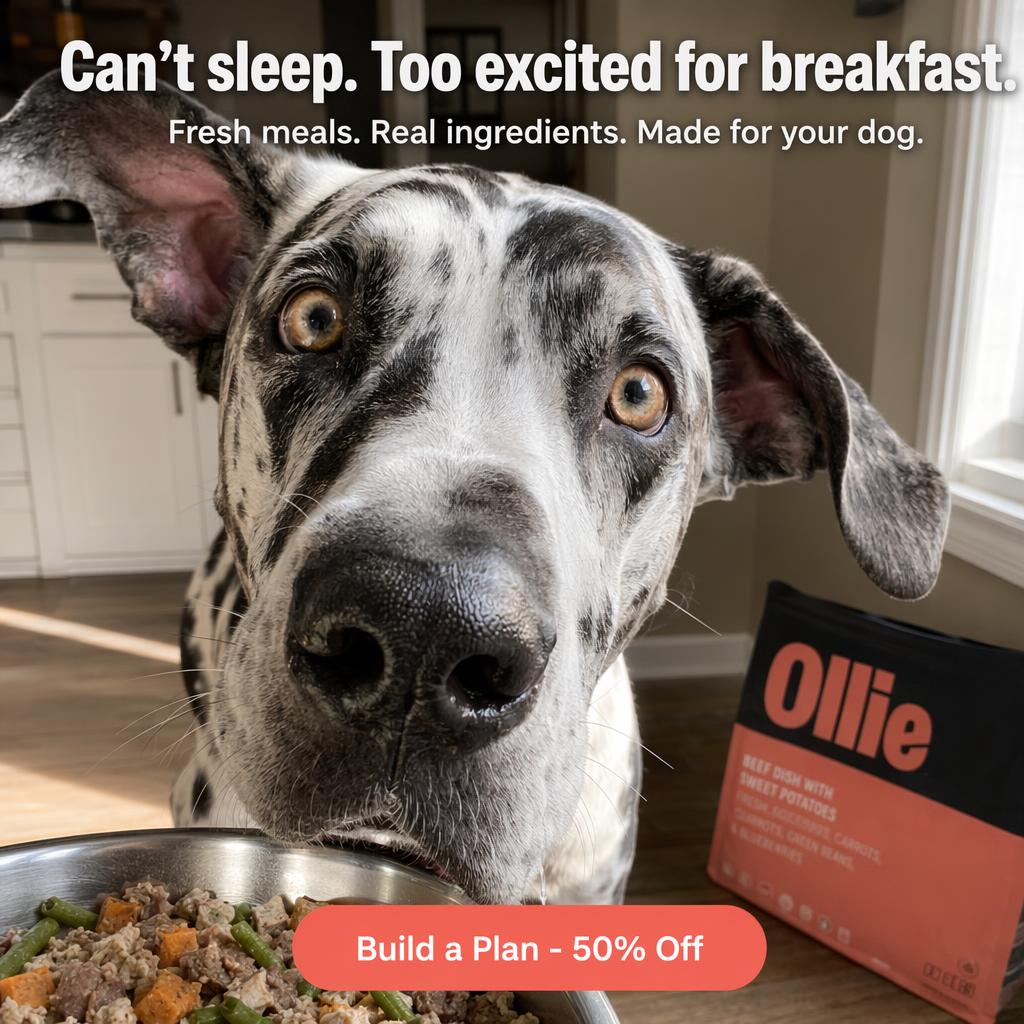
With account-level access you can run your own images under the creator's name. AdMakeAI turns a product photo into Meta ad images and variations to test there.
Make ad imagesWhat brands actually run as partnership ads
With both routes in mind, here's what shows up in practice. We pulled 5,849 ads from Meta's Ad Library in October and counted the ones listed with two names.
5,849 Meta Ad Library ads, October 2026
253 were partnership ads (4.3%)
Share that are video
Partnership ads
80%
97 of 121
Other ads, same searches
34%
712 of 2,066
Whose name comes first in the header
- Creator149 ads
- Brand74 ads
- Publisher30 ads
Partnership ads per search
partnership ad other ad
kitchen gadget
14 of 39
greens powder
6 of 40
makeup
3 of 34
fitness app
2 of 40
pet supplements
2 of 40
wireless earbuds
2 of 40
electrolytes
1 of 40
hair care
1 of 38
sunscreen
1 of 30
baby products
0 of 30
The pattern is a creator on camera with the creator's name in front. Partnership ads were video more than twice as often as the other ads in the same searches, and where a brand leads the header, it's usually because the brand authored the post. The format also clusters: "kitchen gadget" returned 14 in 39, mostly creators paired with Amazon.com, while baby products returned none. If you sell in a category where nobody runs them yet, a creator's face is a way to look different in the feed.
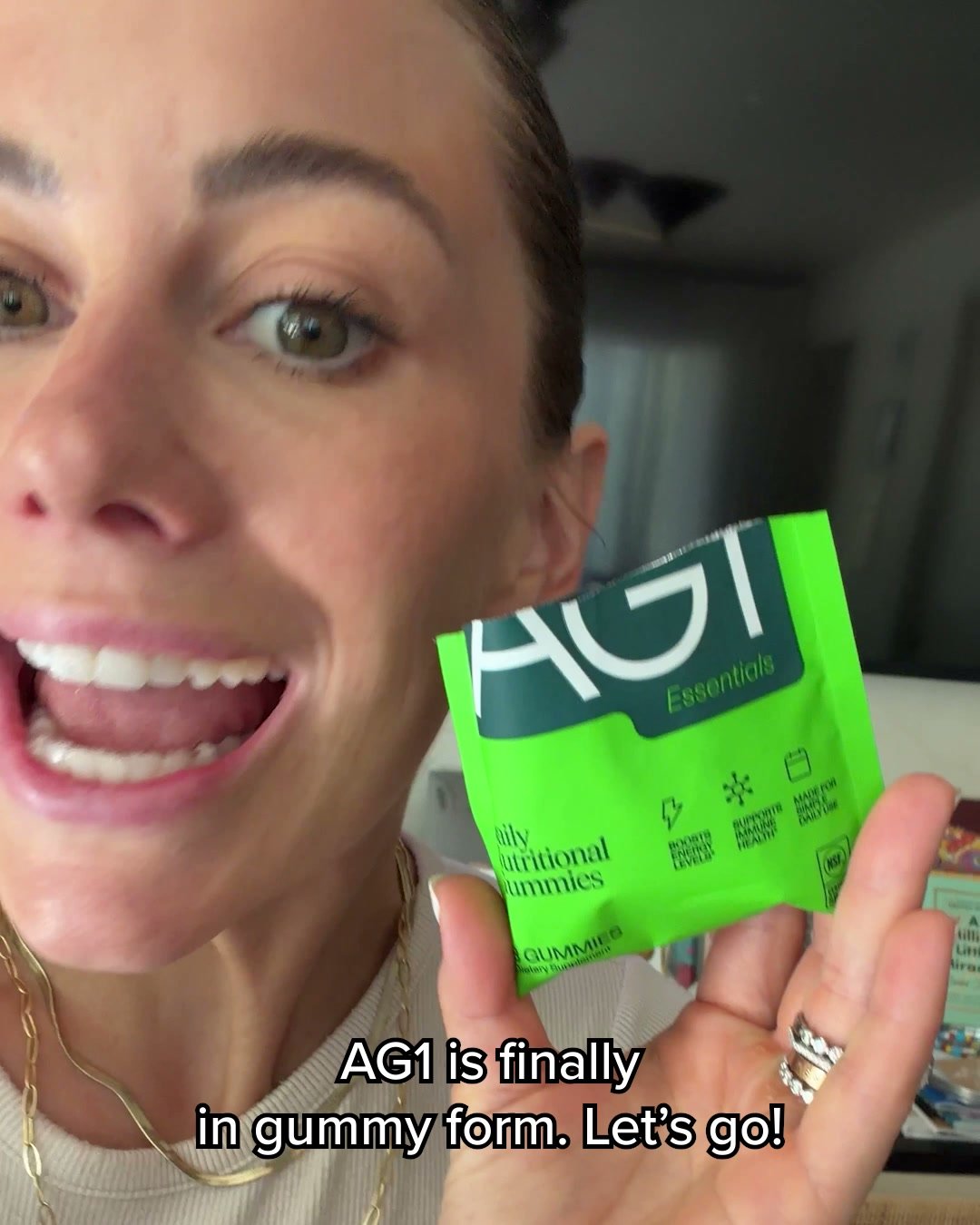
A selfie video with the creator's name first. Most partnership ads look like this.
Shawn Johnson East with AG1 by Athletic Greens. Started Sep 4, 2026, 36 days live. Ad Library
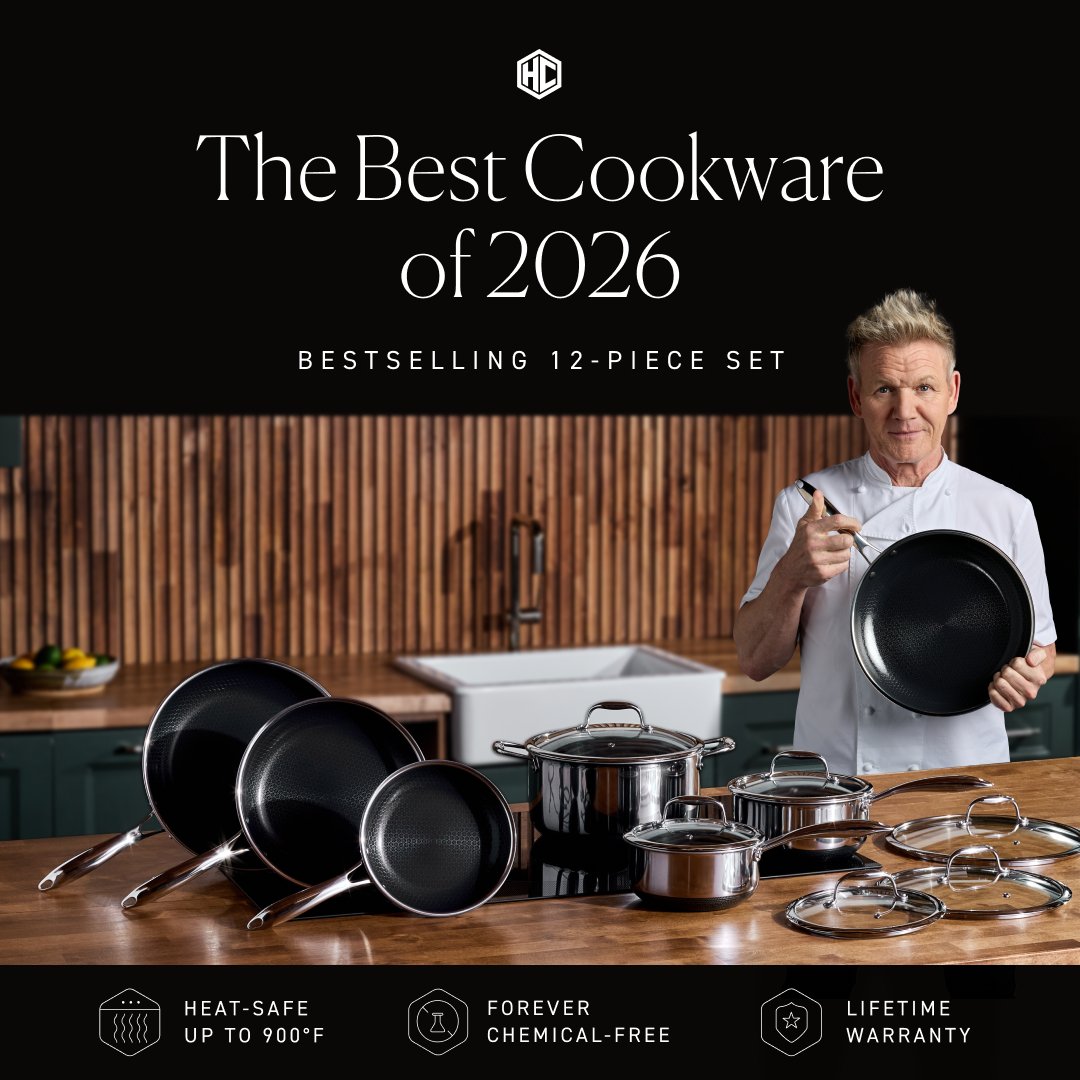
A studio static under the creator's name: brand-made creative, the kind account-level access allows.
Gordon Ramsay with HexClad. Started Jun 17, 2026, 115 days live. Ad Library
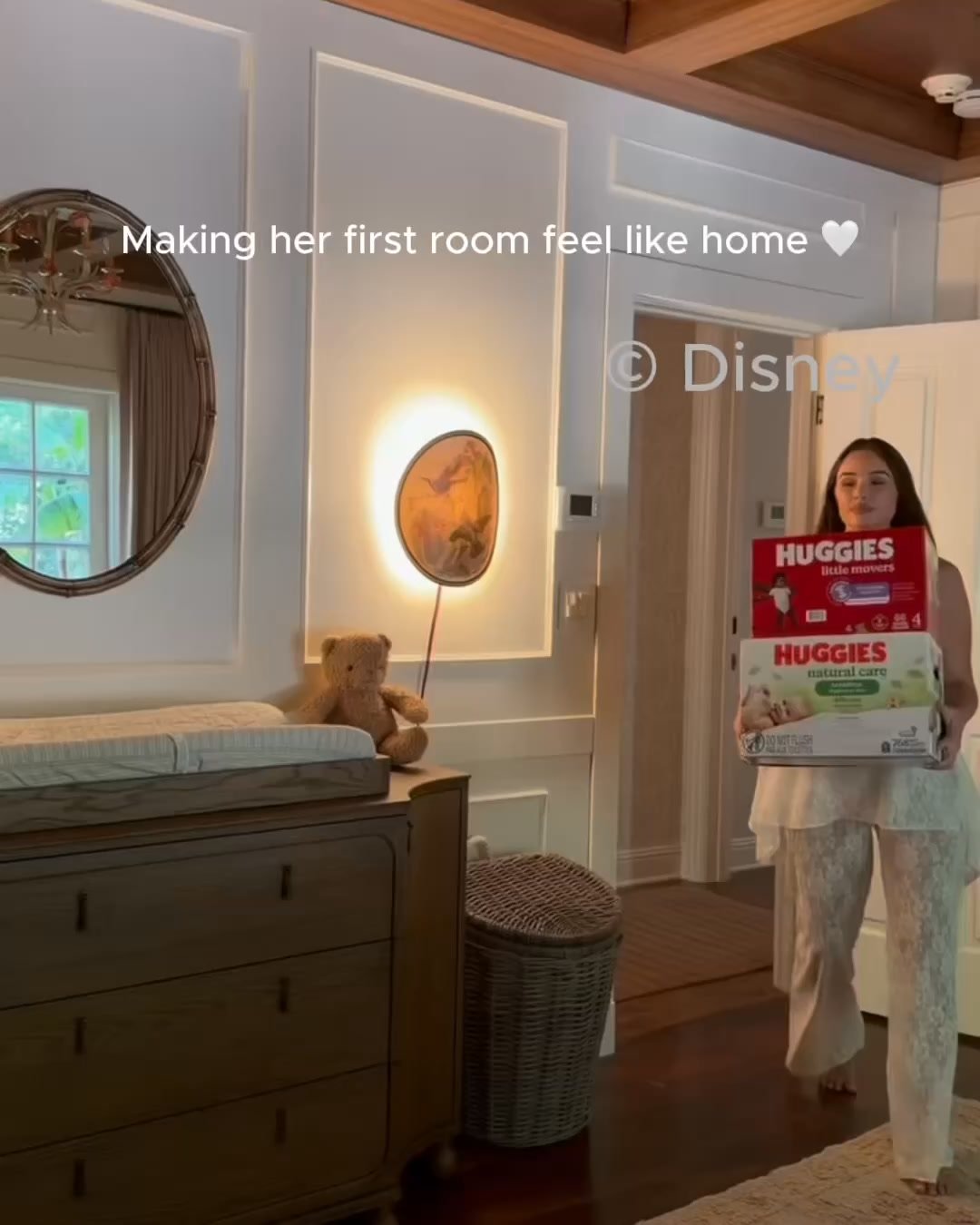
Brand first, because the brand authored the post.
Huggies with Olivia Culpo. Started Sep 10, 2026, 30 days live. Ad Library
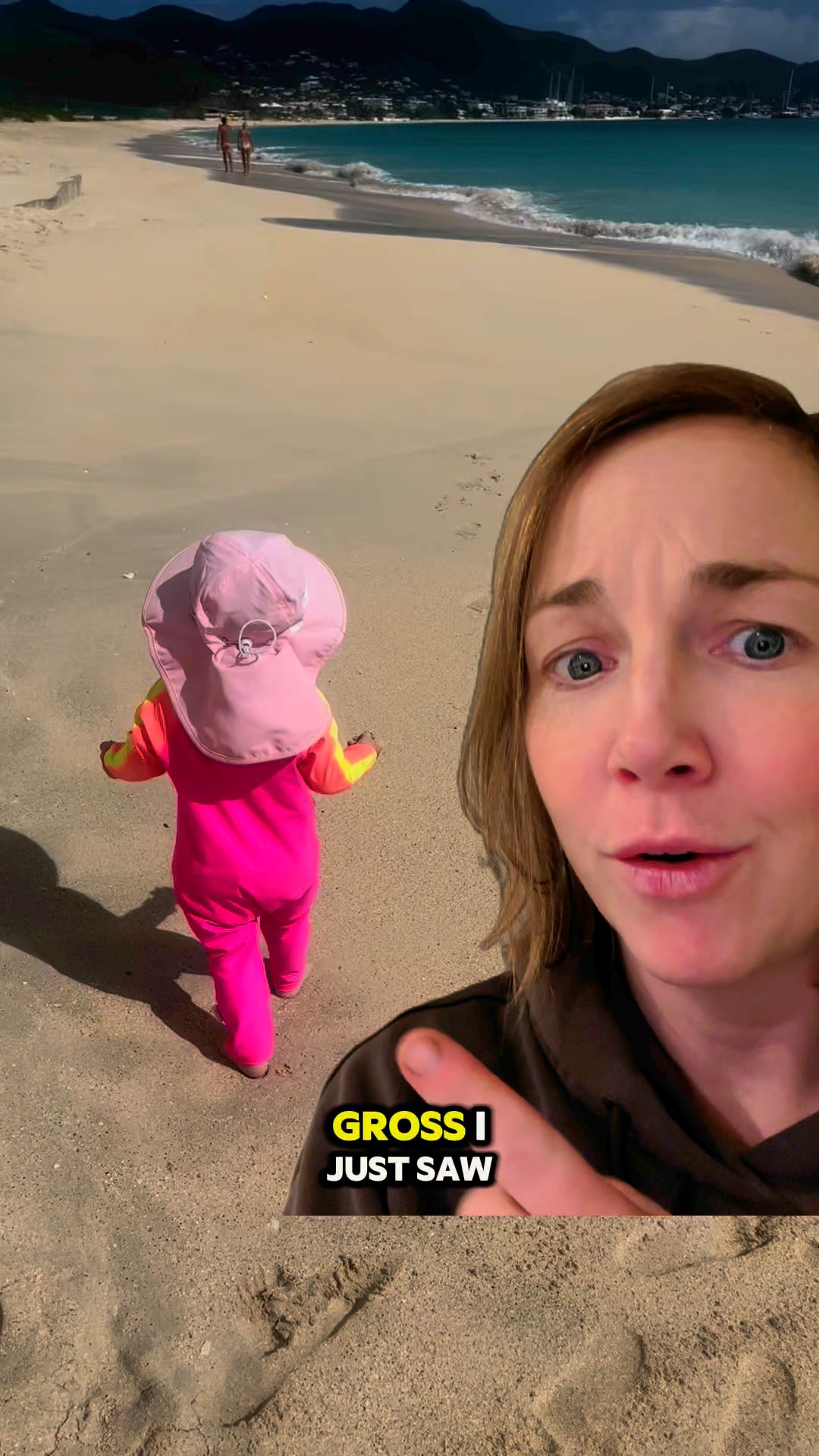
A parent talking to camera on a beach. No studio, still live after a year and a half.
Betsy Johnson with SwimZip. Started Apr 2, 2025, 556 days live. Ad Library
For more creator-led ads with their run length, see our Instagram ad examples.
Plan how the deal ends, because Meta won't
The route you picked matters most when the deal is over. Meta's help center gives no expiry date for ad codes or account-level access, and the two behave differently when the creator pulls them.
The deal ends. What happens to the ads?
Brand's Ads Manager
@creator with YourBrand
Reel
RunningFeed post
RunningStory
Running- +
New ad with the creator
Blocked
No new ads from those posts, but the ads already running keep running.
Turning off a code is the step people misread. It blocks new ads, but Meta says "Turning off an ad code that has already been used will not stop any active ads from running." Removing account-level access works the other way and pauses your running ads. Deleting the post stops its ad, and the creator can also stop any single ad from their Professional dashboard.
So the end date belongs in the contract. Creators charge for paid usage on top of the content fee (Influee's pricing guide puts it at 30% of the base rate per month, Insense at an extra 15-30%; marketplace fees are in our UGC platform comparison), and those fees assume a term Meta won't enforce for you. Meta announced permission expiration dates in September as rolling out, but no help article describes them yet, and the "codes last 60 days" line you'll see online has no Meta source. TikTok is the opposite: Spark codes, which do expire, carry a 7, 30, 60 or 365-day window the creator picks.
When the code or the post won't work
Most failures happen before any of that, at setup. These are the ones Meta's help center covers, and the fix for each:
If the creator has no "Get partnership ad code" option, they need a professional account with branded content tools on (Profile > Menu > Business tools and controls > Branded content). Meta publishes no follower minimum.
If the post is flagged ineligible, look for copyrighted music, link or poll stickers, more than 5 stickers, or a story video over 60 seconds. Re-post without them.
If the code won't take, it's probably already used by 2 advertisers, the most one code allows. Ask for a new one.
If you can't find the creator's post in Ads Manager, add the creator as the second identity, or approve their tag under Branded content > Approved content creators.
If Calls or Messenger lead forms are greyed out, that's expected. Partnership ads don't support them, so use a website, Instant form or app destination.
If a running ad stops and nothing changed on your side, ask the creator. A deleted post, removed account-level access or a stop from their dashboard all end it.
Meta partnership ads FAQ
What does whitelisting mean on Instagram?
A creator lets a brand run ads from the creator's handle. On Meta that's now a partnership ad, granted in the Instagram or Facebook app with no shared login or Business Manager access.
How long does a partnership ad code last?
Meta's help center gives it no expiry. It works until the creator turns it off, and ads already running keep going after that.
Are Meta partnership ads mandatory?
No. Meta requires the paid partnership label on organic branded content, gifted products included, but running creator content as a partnership ad is your choice. Disclosure rules still apply either way; see FTC rules for reviews and endorsements.
Do partnership ads perform better than brand ads?
Meta's catalog ads page reports a 19% lower cost per action when advertisers ran partnership ads alongside catalog ads, from a one-week 2025 test. Treat it as Meta's average, not a forecast for your account.
Can partnership ads run on Threads?
No. Threads supports only the organic Paid partnership label. Partnership ads run on Instagram, Facebook and WhatsApp Status.
Before you send the request
- 1The creator has a professional account with branded content tools on.
- 2Pick the route: a code for one post, account-level access for an ongoing creator or your own creative under their name.
- 3Put the paid-usage term and fee in the contract. Meta won't end access for you.
- 4Check the post for copyrighted music and link or poll stickers before it goes up.
- 5If you use the boost toggle instead of a code, make sure you're the only brand in the label.
- 6When the deal ends, have the creator remove account-level access or stop the ads. Turning off a code alone won't.
How we got this
Steps, limits and what ends access come from Meta's Business Help Center articles on partnership ads, permissions, Creator Marketing Hub and stopping an advertiser, plus Meta for Business's September 15, 2026 announcement, all read October 10, 2026. We didn't build a partnership ad ourselves; the "Enter ad code or post info" field name comes from practitioner guides. The sample is 5,849 unique ads from 154 keyword searches of the Ad Library on October 9-10, 2026, mostly active ads, so not a random sample. An ad counts when the Library lists a second identity. The Library doesn't show results, spend or which permission a brand used, and days live is not a measure of performance. Fee figures are from Influee's and Insense's pricing pages.
Make your next ad from what already runs
Research what competitors are running, then generate your own on-brand ads in minutes.