UGC Ad Examples: What 220 Live Meta Ads Show, and What a Usable UGC Video Costs
In 220 live Meta UGC ads, hands-only demos ran longest. Six examples worth copying, what a video with ad rights costs from creators vs AI, and when the rights run out.
UGC ads are phone-shot videos of real-looking people using or talking about a product. In 220 live Meta UGC ads we labeled, the plainest kind had run longest: hands holding the product, already working in the first frame, for a median 200 days. That's good news for your budget. A usable creator video with a year of ad rights costs $57 to $263, so test the hook cheaply first, pay a creator for the version that holds, and put the rights and their end date in writing, because Meta won't pull the ad when the license expires.
Hands on the product outlasted faces on camera
We pulled 423 live video ads from searches for phrases creators say, like "obsessed with" and "holy grail", and sorted each one by what its first frame shows. 220 were UGC. Split by type, the longest and shortest are three months apart:
Median days running, live Meta video ads
76%past 90 days
The product doing its job in someone's hands. Nobody has to appear on camera.
Run length isn't performance, and every ad here was still live, so read this as what advertisers keep paying for. Our take on why demos last: they show the product working before anyone says a word, which survives sound-off scrolling, and the viewer doesn't have to like the person. They're also the easiest UGC to make: no face, no performance, one take on a kitchen counter. Talking to camera is still the most common type, and when the speaker is a customer telling their own story, it's also a testimonial, with rules of its own. Unboxings, skits and comparisons are among the other video formats brands run.
Six UGC ads worth copying, and what to take from each
Here's what the long runners look like, one or two per type. Each image is the first frame of the video. For what the people in them actually say, see word-for-word scripts from long-running UGC ads.
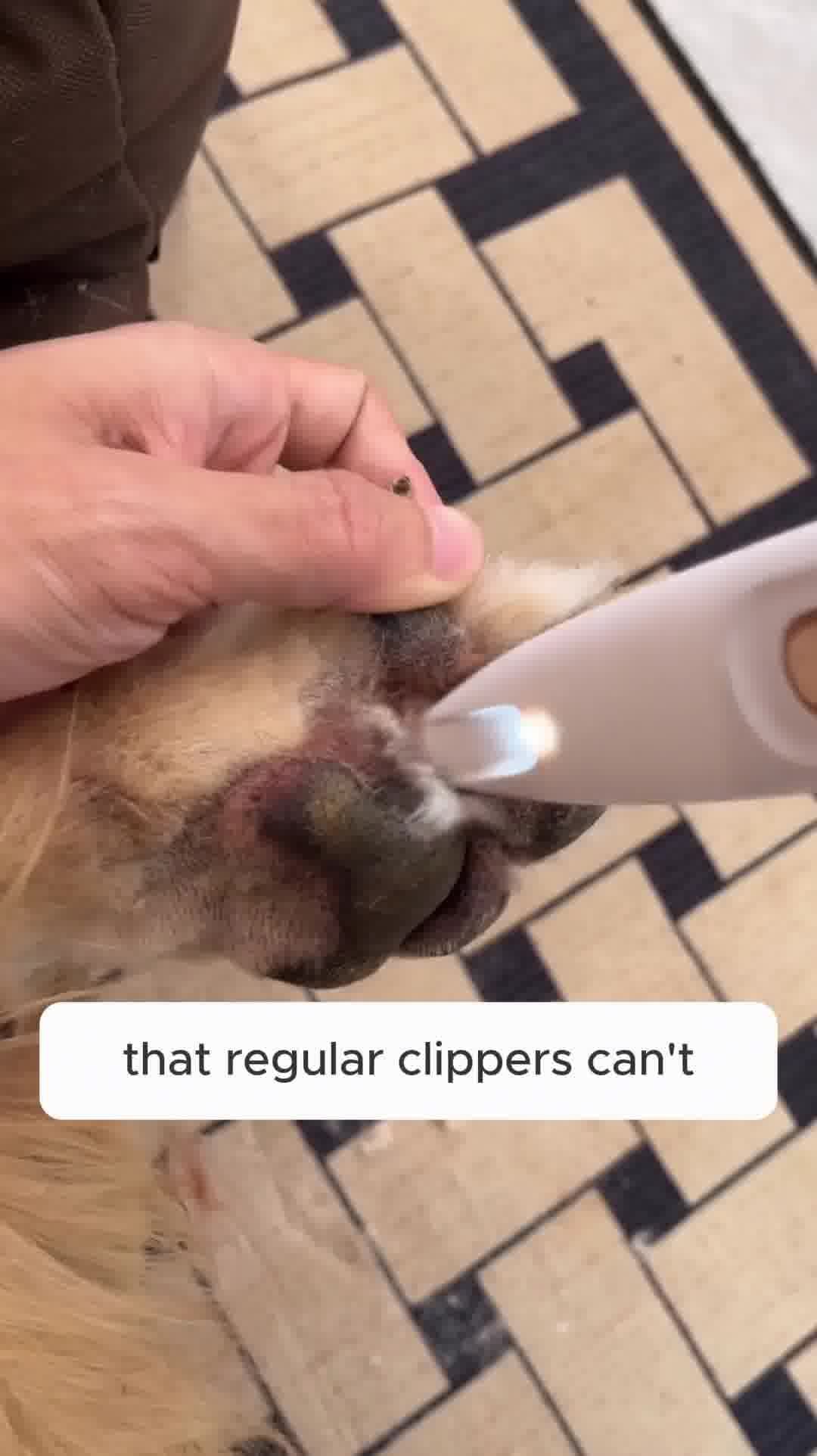
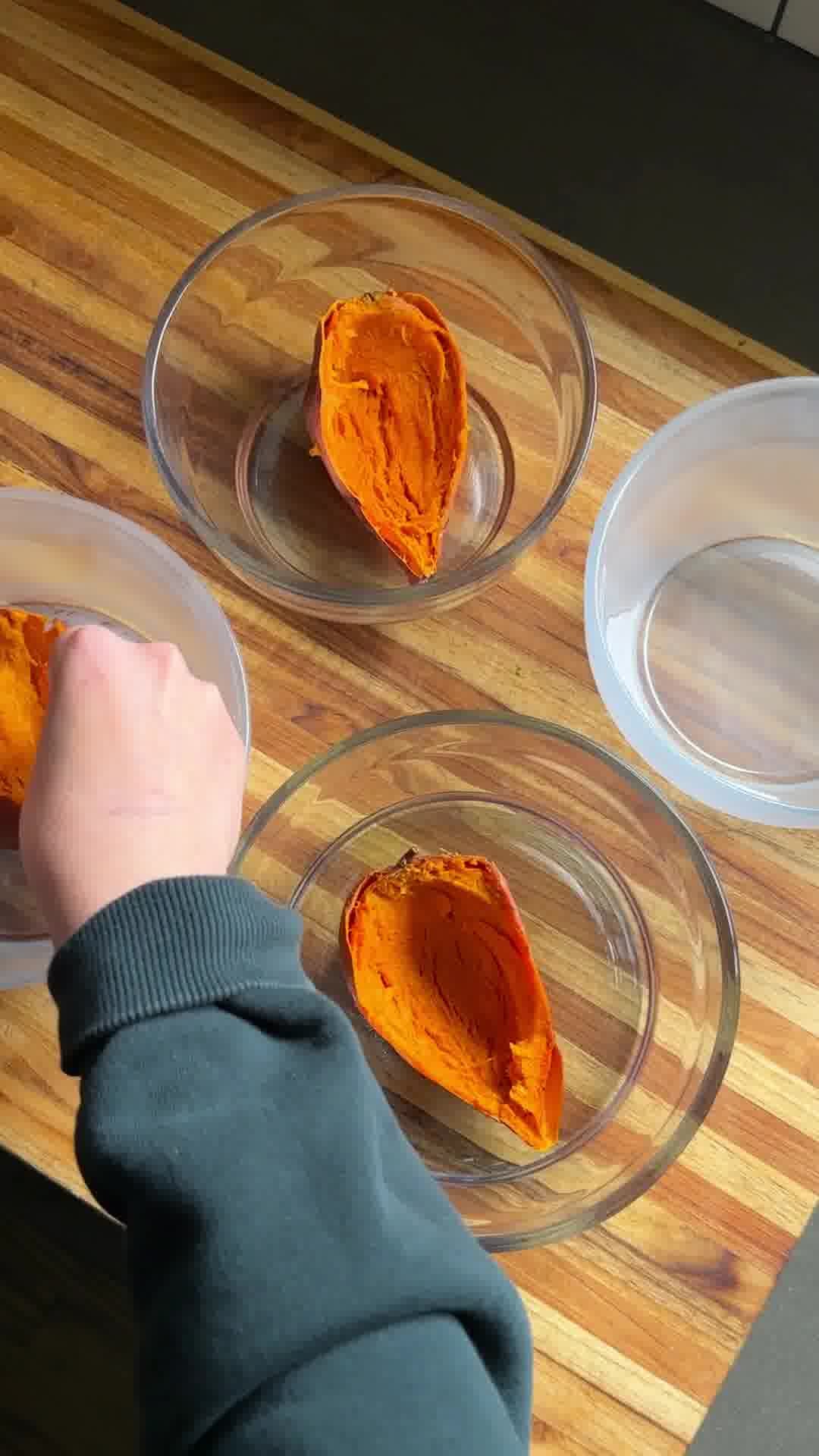
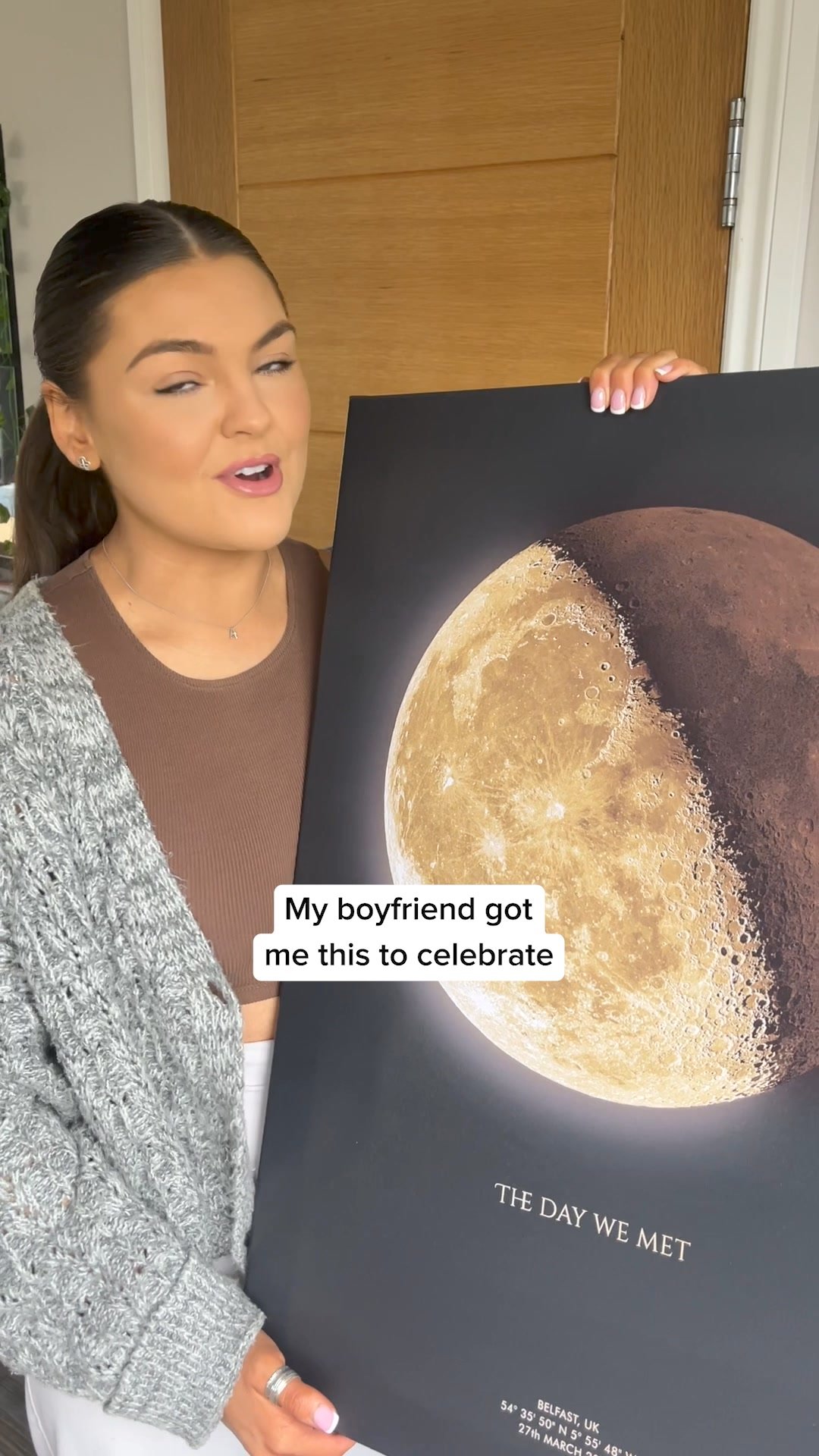
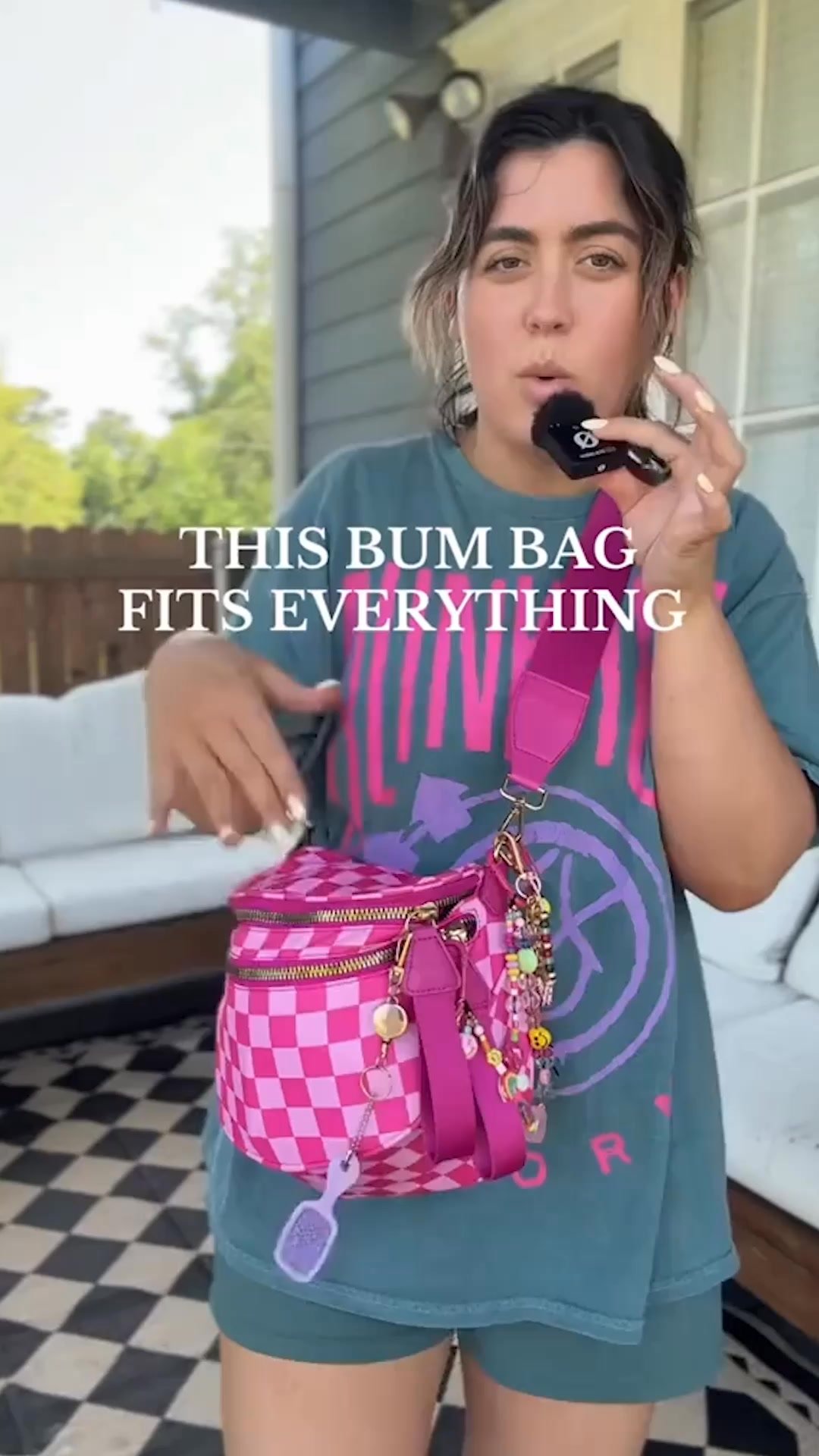
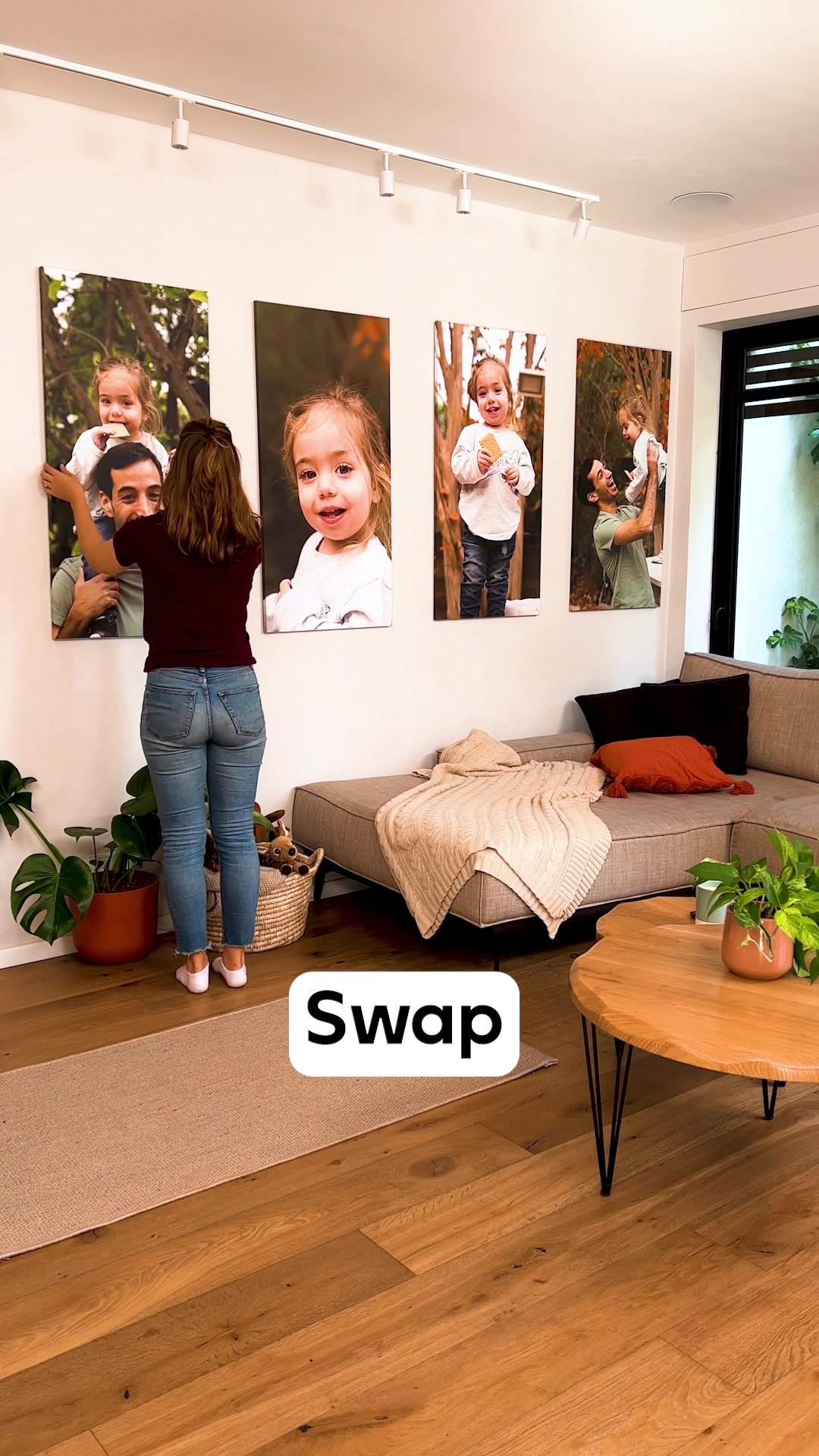
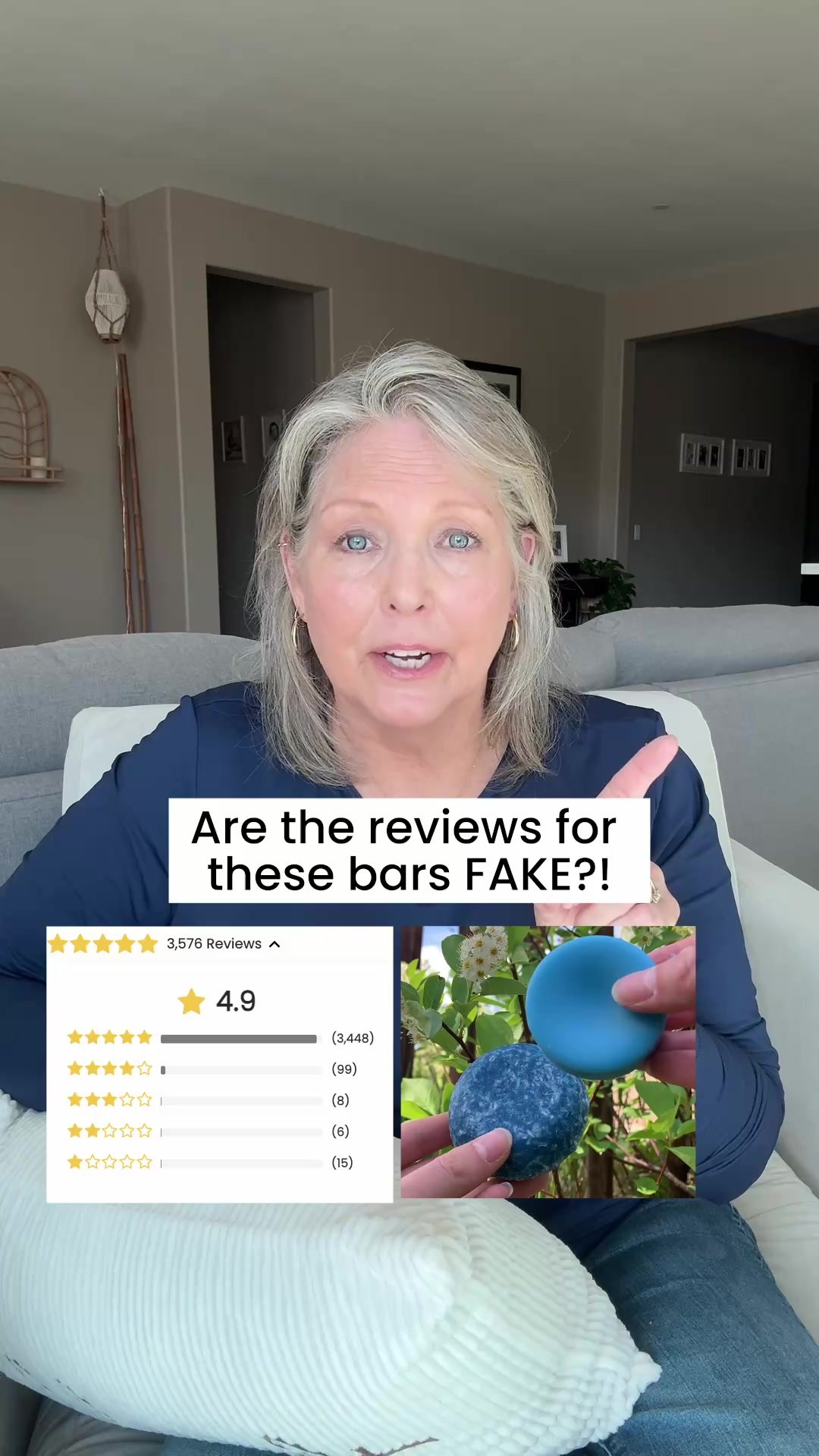
To find more, search the Ad Library for "obsessed with" or "holy grail": 25 of about 30 results for each were UGC. "Tiktok made me buy it" mostly returns product slideshows that borrow the phrase.
What one usable video costs, from a creator or from AI
Once you know the format, the next decision is who films it. We priced the same order everywhere: one 30-second vertical video you may run as a Meta ad for 12 months, buying 10 a month.
One 30-second UGC video with a year of Meta ad rights
Filmed by a person
JoinBrands (floor)
$57
Trend
$92
Billo
~$99
Influee
$123
SideShift
$130-230
Insense
$160
Icon
$167
Creator, hired directly
$228-263
Generated with AI
Creatify
~$2.73
AdMakeAI, two clips
$2.65
JoinBrands AI
$5
Arcads
~$11
Bars on a $0 to $15 scale.
47thirty-second AdMakeAI videos at medium quality cost the same as one median creator video ($126).
Creator routes cluster around $126 with rights included, and the list price hides a second cost: not every delivered video is usable, and a reshoot means paying again. AI drafts cost a couple of dollars, which changes what they're for. They won't stand in for a real customer, but they're cheap enough to try five hooks and two formats before you brief anyone. Then pay a person to film the one that held; here's which platform to buy from, side by side. A small store can start a step earlier, testing a product with AI drafts first and ordering creator videos only for the one that sells. For every AI UGC tool priced per finished 30-second ad, see the best AI UGC video tools.
AdMakeAI's UGC generator writes the script from your brand details and renders a vertical creator-style clip from your product photo or a generated person. Each clip, up to 15 seconds, costs $1.17 at medium quality on the $39 plan; for a 30-second ad, generate two and join them in your editor.
Make a UGC video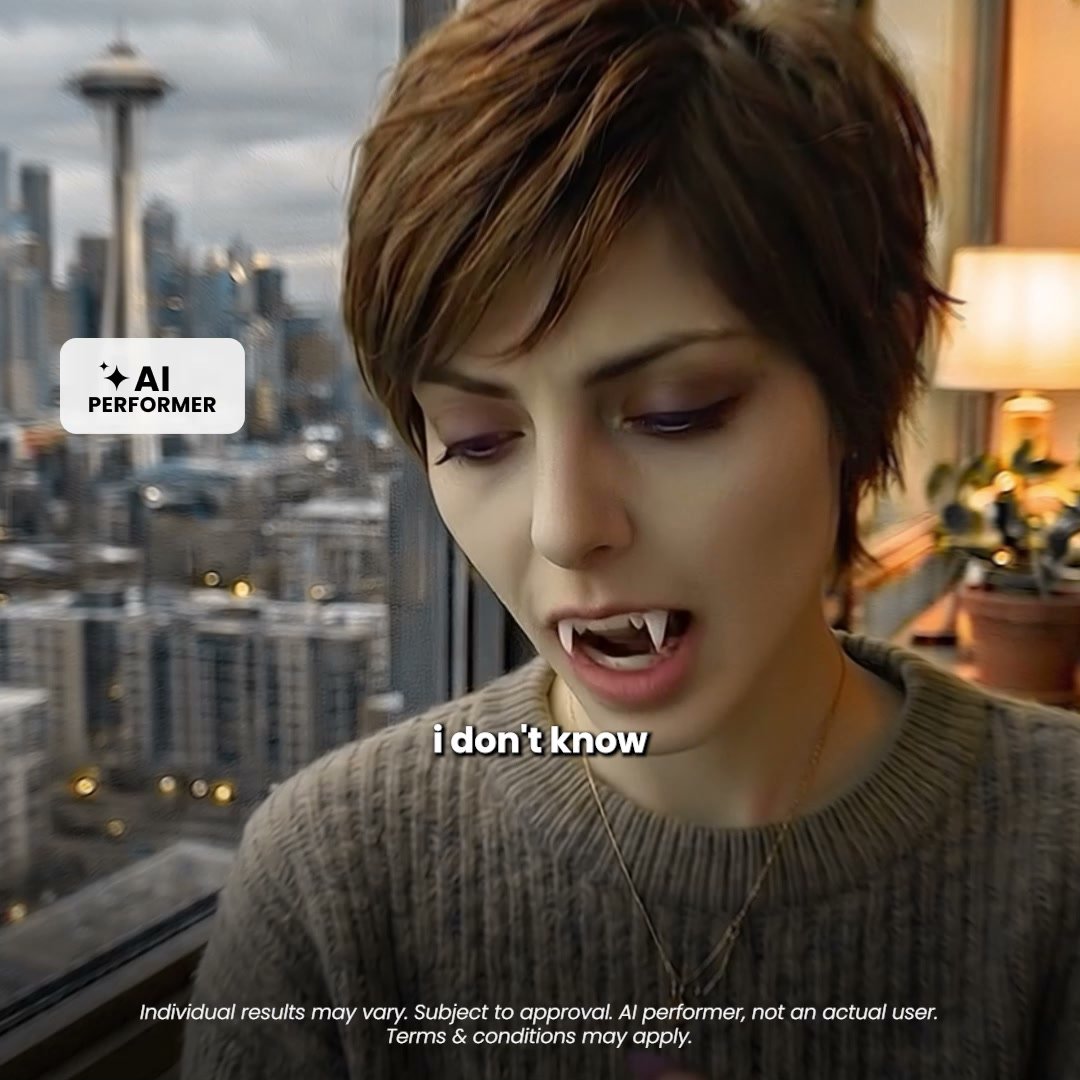
If the person on screen is generated, say so. New York has required a conspicuous disclosure of AI performers since June 9, 2026, and the FTC bans testimonials from people who don't exist. Kikoff did both: a chip in the corner and a line in the fine print.

Ad rights: what the price includes, and when it runs out
Paying a creator raises the next question: how long you can run what they filmed. Most marketplaces include paid-ad use with no end date; Billo assigns all rights and Insense grants perpetual digital rights. Hire a creator directly and paid use is usually extra, a reported 30-50% of the fee for a year. Running the ad from the creator's own handle, as a partnership ad, costs more again: Influee quotes 30% of the base rate per month, about $630 a year on a $175 video.
45 of our 220 UGC ads ran from a creator's handle. They had been running a median 118 days, against 162 for UGC from the brand's own Page. With 45 ads, all of them survivors, we wouldn't read a cause into the gap. The setup is in how partnership ad codes and permissions work.
The costly surprise comes at the end of the term, because Meta doesn't know your contract. Its help center spells out what happens when the creator pulls access:
When a 12-month license ends on a live ad
Month 15
Your contract Paid use licensed for 12 months
License ends. You no longer have the right to run the video.
Creator turns the ad code off at month 12
Running ads keep running. New ads with the code are blocked.
Creator removes account permission at month 12
Running ads pause.
So an ad still spending in month 13 of a 12-month license is yours to catch. Put the pause date in the contract and in your calendar, or agree the renewal price before you launch.
UGC ad examples FAQ
What are UGC ads?
Paid ads made from phone-shot footage of real-looking people using or talking about a product, filmed by customers or paid creators. In our sample, 220 of the 360 live Meta ads we could judge fit that.
How much does a UGC video cost?
$57 to $263 for a 30-second video with a year of paid Meta use, as listed in October 2026, with a median of $126 across eight routes. AI tools cost about $2 to $11.
Do UGC prices include usage rights?
On most marketplaces, yes, often with no end date. When you hire a creator directly, paid use is usually extra, a reported 30-50% of the fee for a year.
What happens when a UGC license expires but the ad is still running?
Meta keeps serving it unless the creator removes account-level permission. Turning off an ad code only blocks new ads, so you have to pause it or renew.
Are AI UGC ads legal?
Yes, with conditions. New York has required a conspicuous disclosure of AI performers since June 9, 2026, and the FTC bans testimonials from people who don't exist. That's our reading, not legal advice.
What is the difference between UGC and influencer marketing?
With UGC you buy the video; with an influencer deal you also buy the creator's audience. Partnership ads sit in between: 45 of our 220 UGC ads ran from a creator's handle.
Before you pay for a UGC video
- 1Test the hook and the format with AI drafts first. Brief a creator only on the version that held.
- 2Ask for a hands-only demo with the product working in the first frame, plus a talking-to-camera take if they do both.
- 3Specify the file: 9:16 at 1080x1920, captions inside the Reels safe zone, and how many hooks.
- 4Get paid usage in writing: platforms, months, and whether the clock starts at delivery or at launch.
- 5Ask whether raw footage and B-roll are included, or what they cost.
- 6Write down who pauses the ad on what date, or the renewal price. Meta won't stop it for you.
- 7If anyone on screen is generated, label it on screen.
How we got this
On October 10, 2026 we ran 16 creator-phrase searches in Meta's Ad Library (videos, active, US, first results page each) and labeled the 423 ads with a first frame from that frame and the ad copy, without audio; 63 we couldn't judge are left out. Days running are counted to October 10, 2026, and stopped ads aren't in the sample, so compare types with each other. Prices come from each vendor's pricing page the same day; Billo, SideShift's creator fee, direct-hire and whitelisting rates come from vendor blog posts, and Arcads from our July 2026 estimate. We didn't buy from any of them. AI rules: New York General Business Law § 396-b and FTC 16 CFR 465.
Make your next ad from what already runs
Research what competitors are running, then generate your own on-brand ads in minutes.