AI Ugly Ad Generator
Create intentionally lo-fi, unpolished ads that look native and organic. Native-looking content outperforms polished ads on social media.
Free to try • No signup required • Instant results
Third-party industry benchmarks. Results vary by account.
Upload up to 3 product images. The AI will analyze these to create your ad.
Optional: Enter your website URL to automatically extract brand info.
Add specific details about style, audience, or creative direction.
2 free generations left. for more.
Generated Ad
Your generated ad will appear here
Upload product images and click Generate
Who Uses This Tool
See how businesses and creators use AI-generated ads to save time and money
UGC-Style Marketing Without Creators
Brands spend $500-5,000 per creator for UGC content. But you don't need actual creators to get the UGC aesthetic. Generate unlimited 'ugly' product photos that look like real customers shot them. Same authentic feel, fraction of the cost.
Save 90% compared to paying UGC creators
Why businesses use it:
- No creator negotiations or contracts
- Unlimited content variations
- Consistent aesthetic across campaigns
- Test different 'ugly' styles quickly
D2C Brands Breaking Through
Big brands are stuck with polished creative from expensive agencies. D2C brands can move fast with ugly ads that feel authentic. This is how Dollar Shave Club, Casper, and countless others broke through: looking scrappy and real while competitors looked corporate.
D2C brands see 50% lower CAC with authentic creative
Why businesses use it:
- Compete without big brand budgets
- Move faster than traditional agencies
- Build authentic brand personality
- Create connection through relatability
Meta & TikTok Ad Optimization
Meta and TikTok algorithms favor content that keeps users engaged. Native-looking content performs better because it doesn't trigger the 'this is an ad, skip' response. Ugly ads get better engagement signals, which means lower costs and better delivery.
Lo-fi creative reduces CPM by 25-40% on Meta
Why businesses use it:
- Better engagement signals for algorithms
- Lower cost per click and conversion
- More efficient ad spend
- Wider audience reach
Example Transformations
See how product photos transform into lifestyle ads
 Before
 After
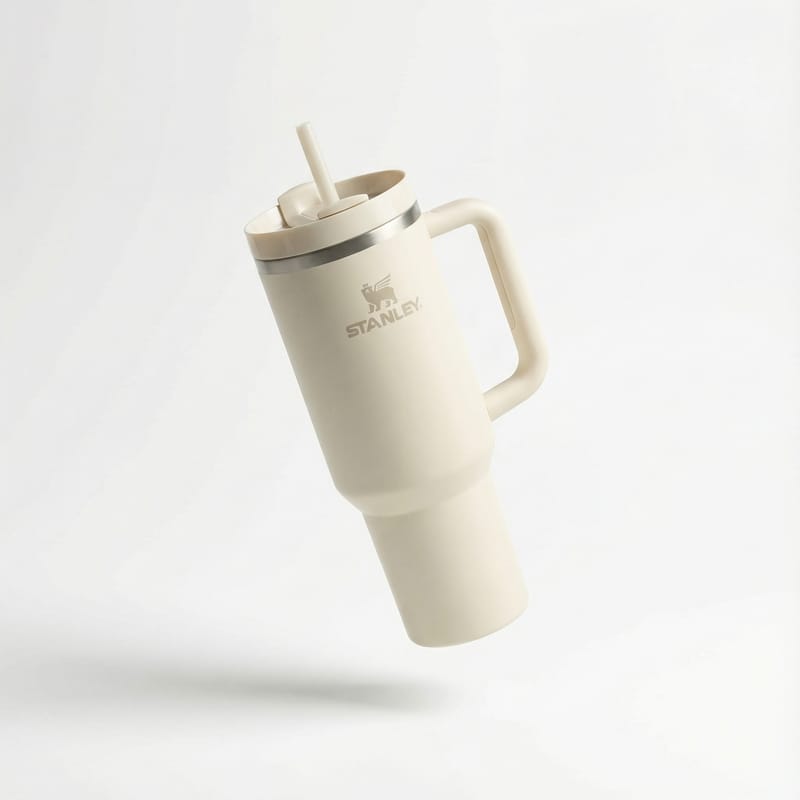
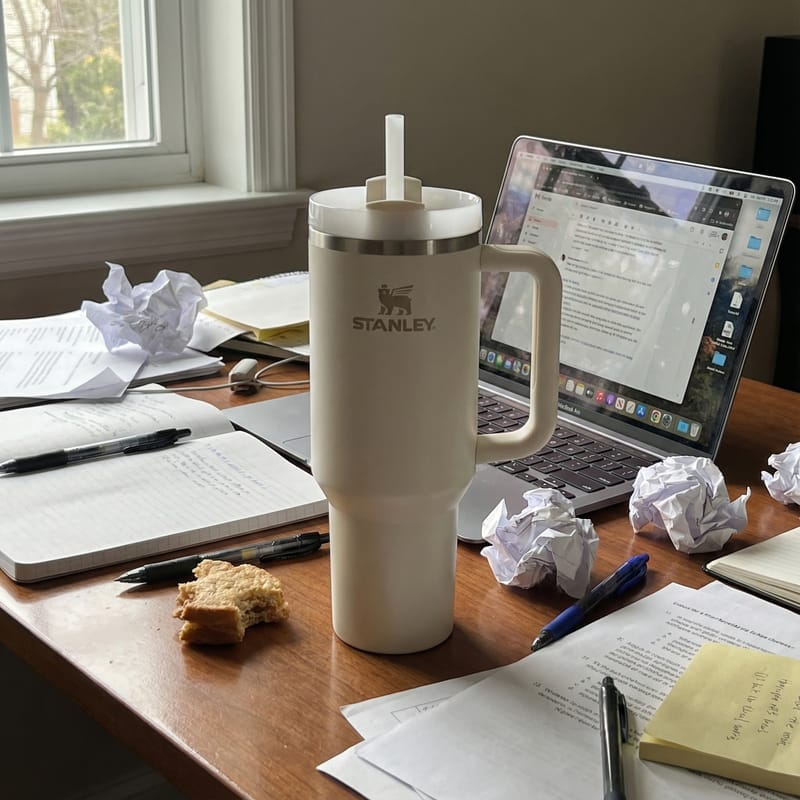
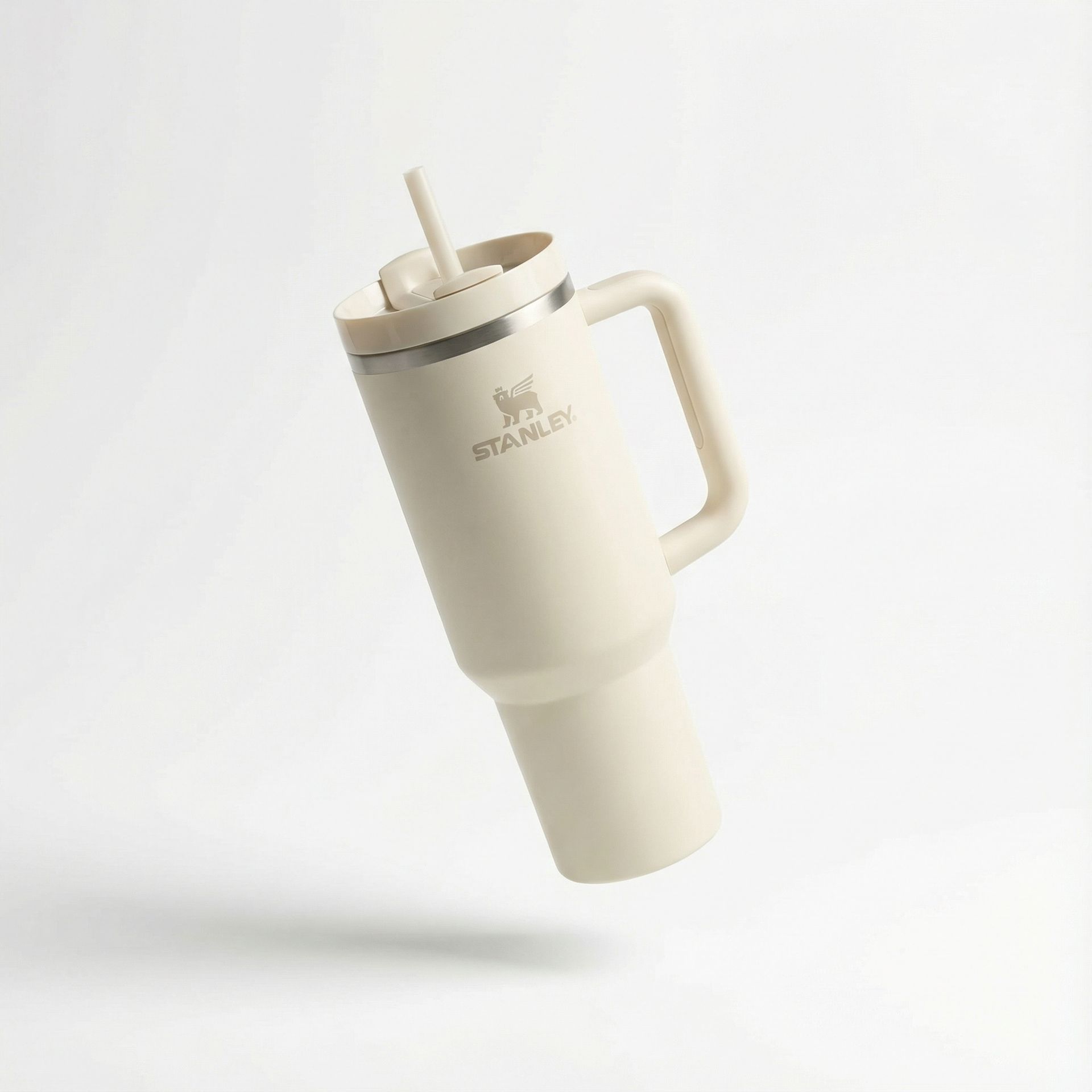
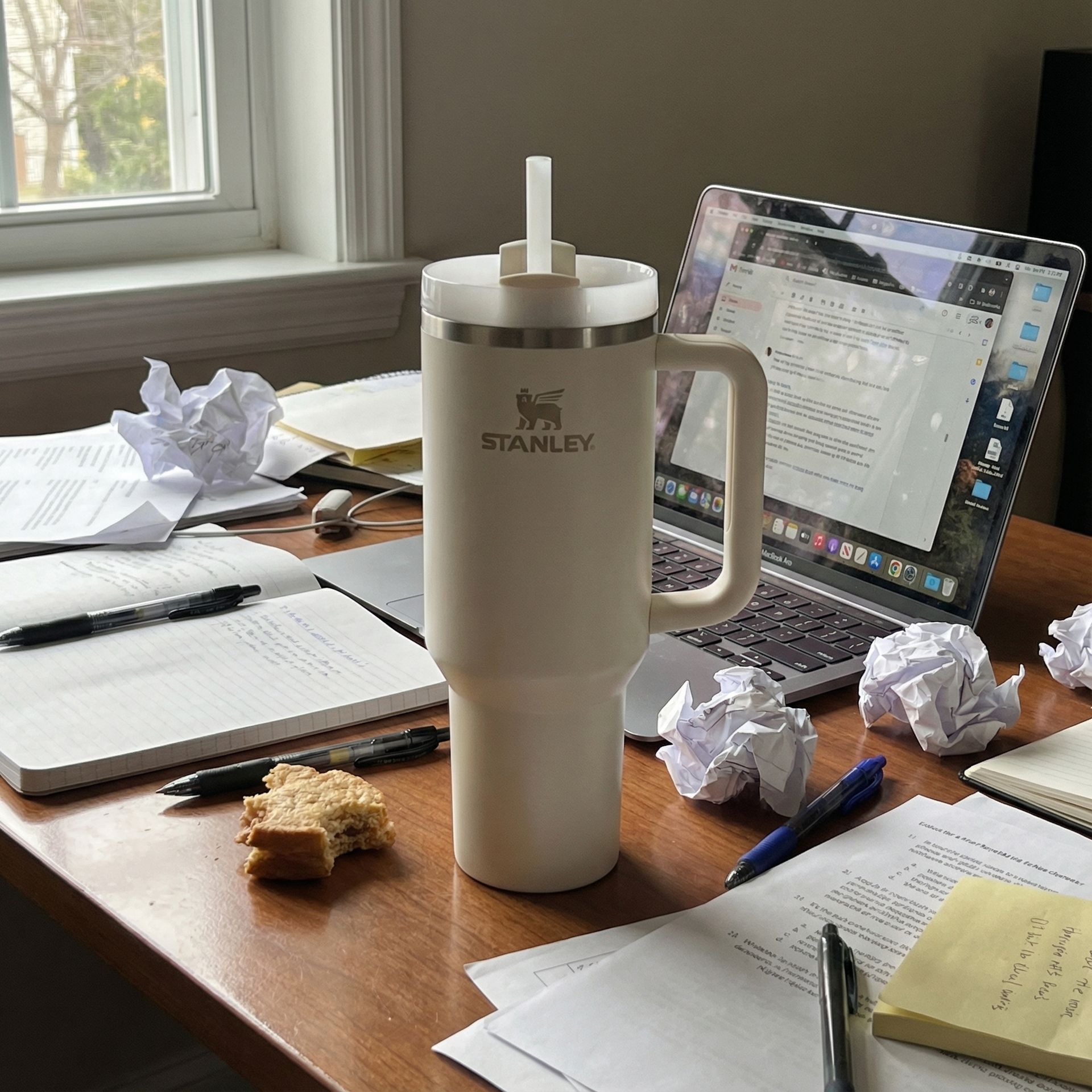
AfterStanley Quencher Tumbler
StanleyThe viral Stanley tumbler phenomenon was driven by UGC, not studio shots. This messy desk aesthetic feels like a real person sharing their daily driver.
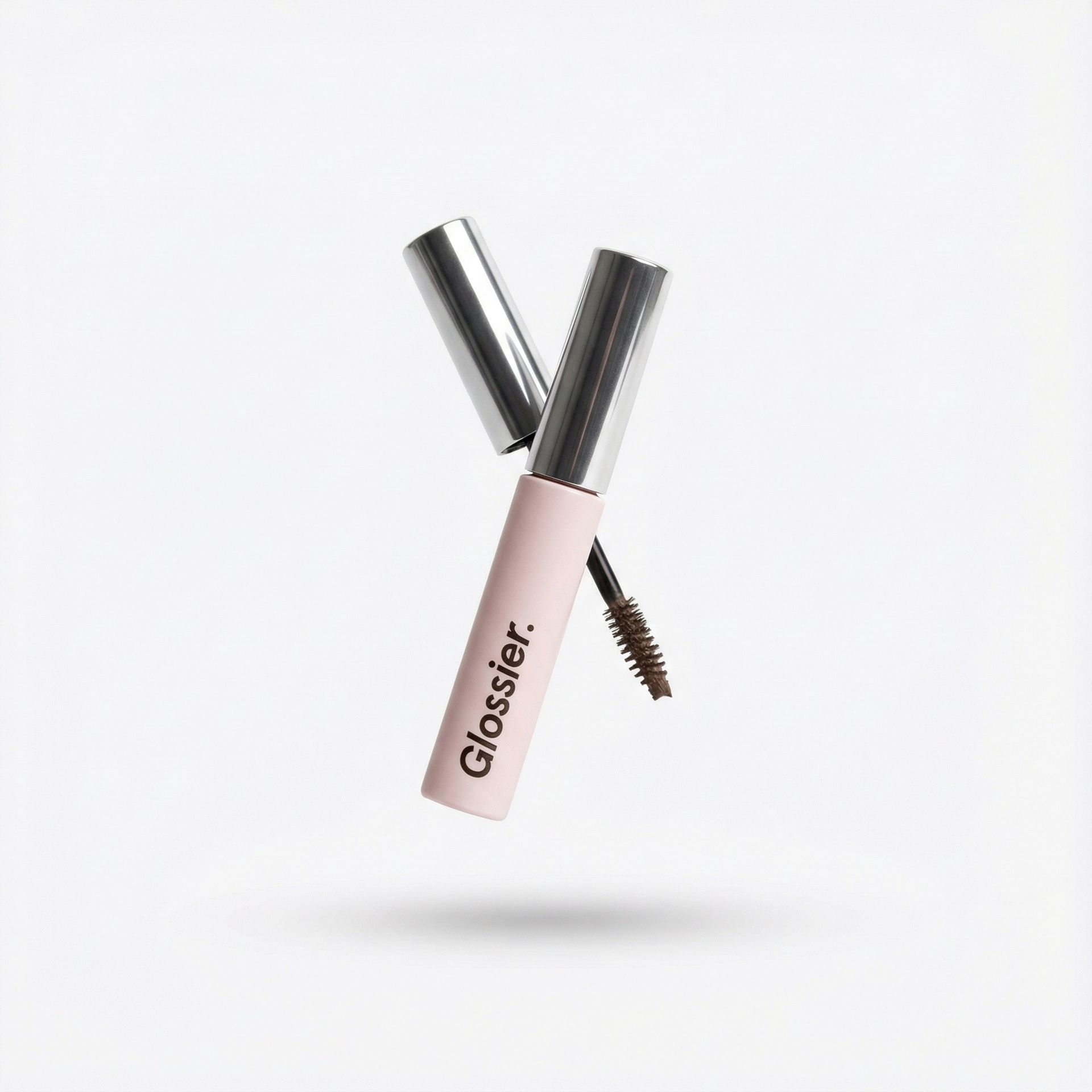
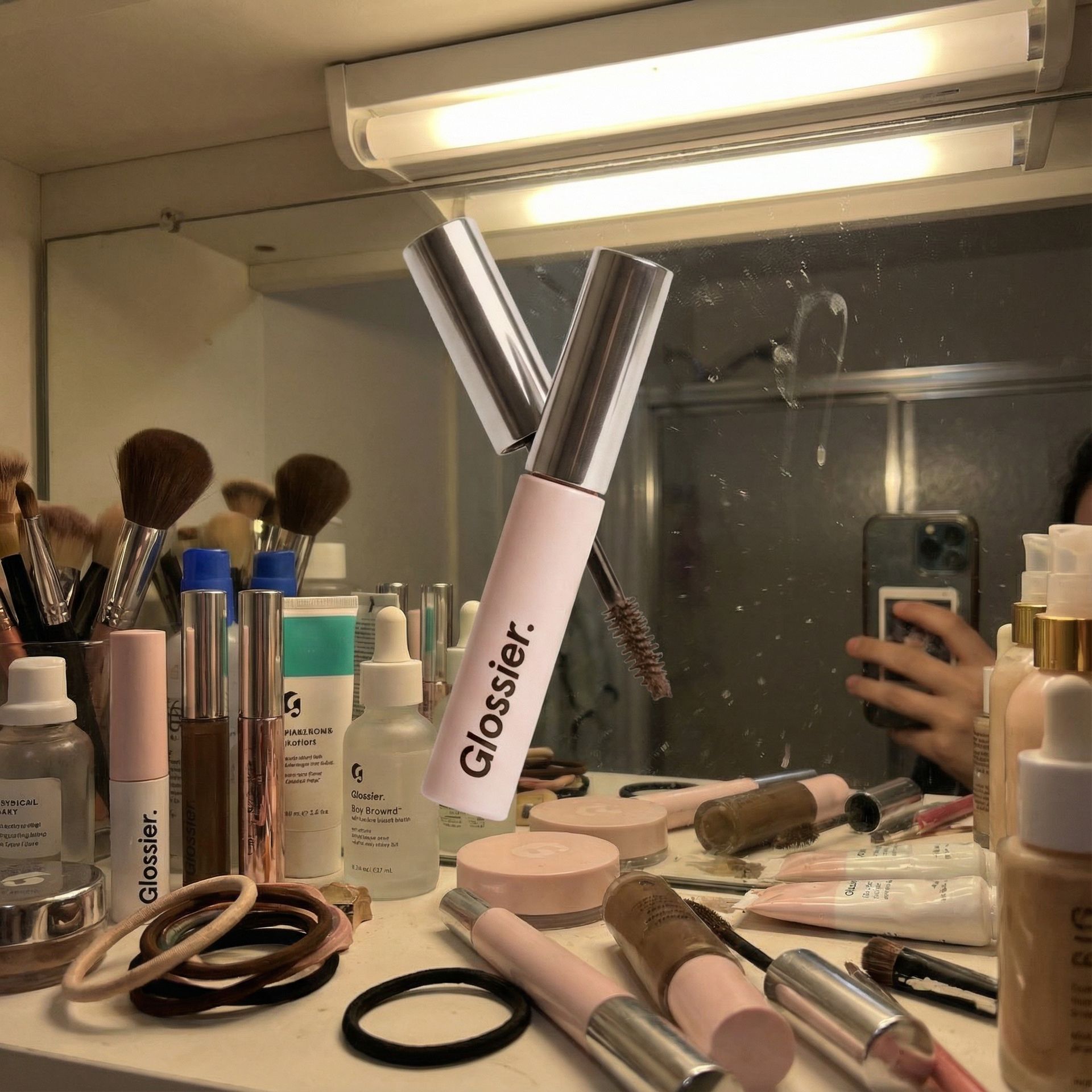
BeforeAfterGlossier Boy Brow
GlossierGlossier built their brand on this aesthetic. Bathroom shelfies with real lighting and real clutter outperform studio beauty shots on Instagram and TikTok.
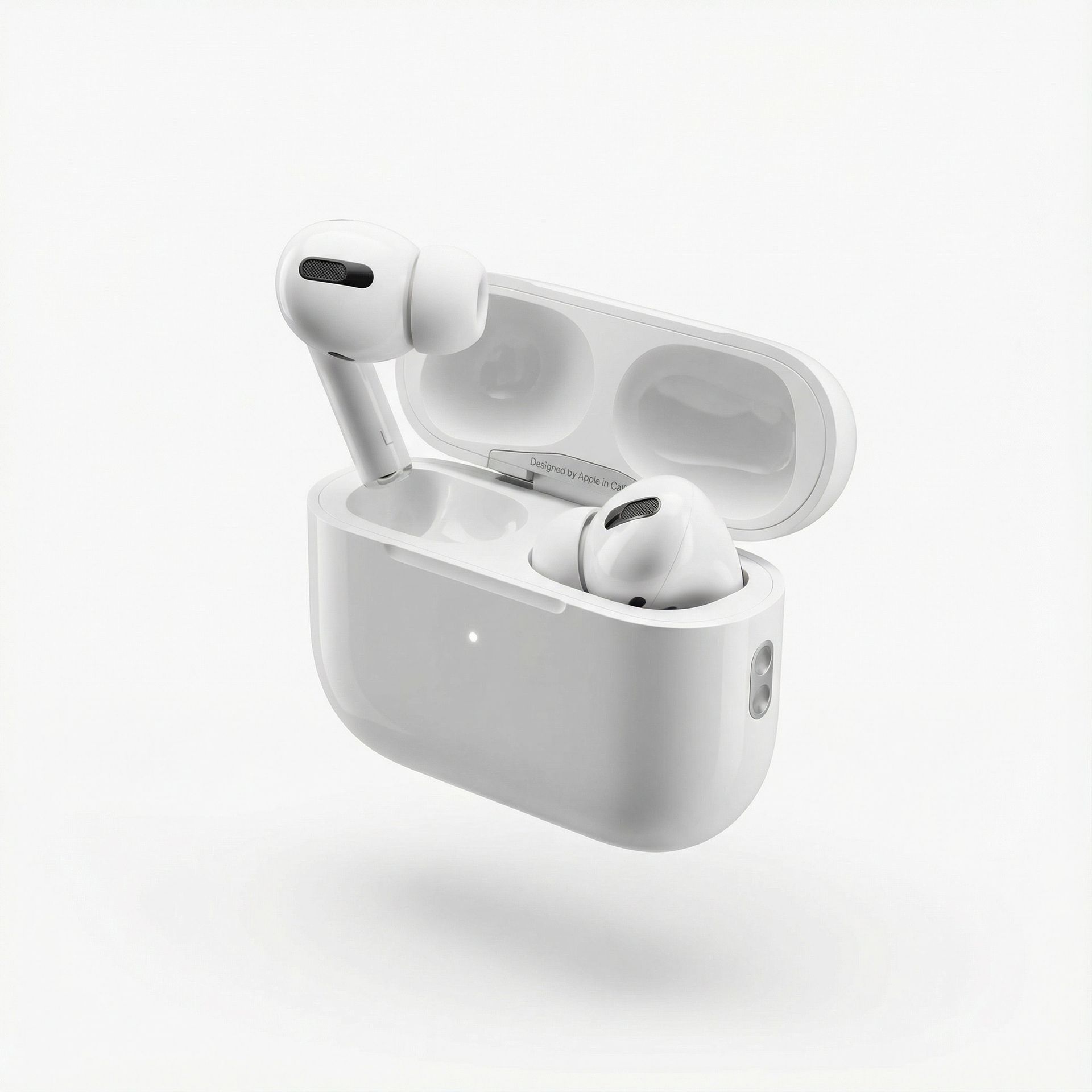
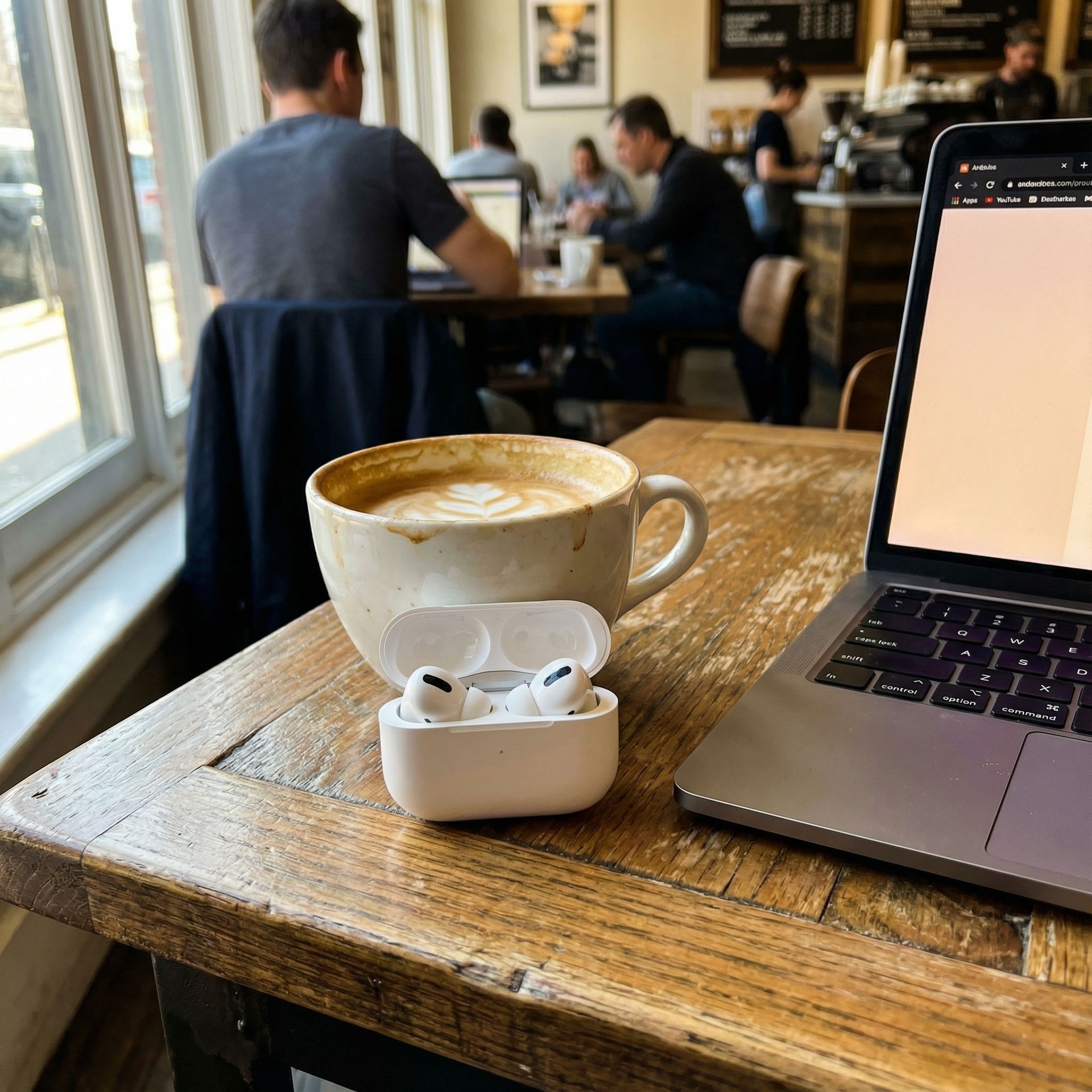
BeforeAfterAirPods Pro
AppleEven Apple products perform better in native-looking content. The coffee shop aesthetic is universally relatable and feels less like advertising.
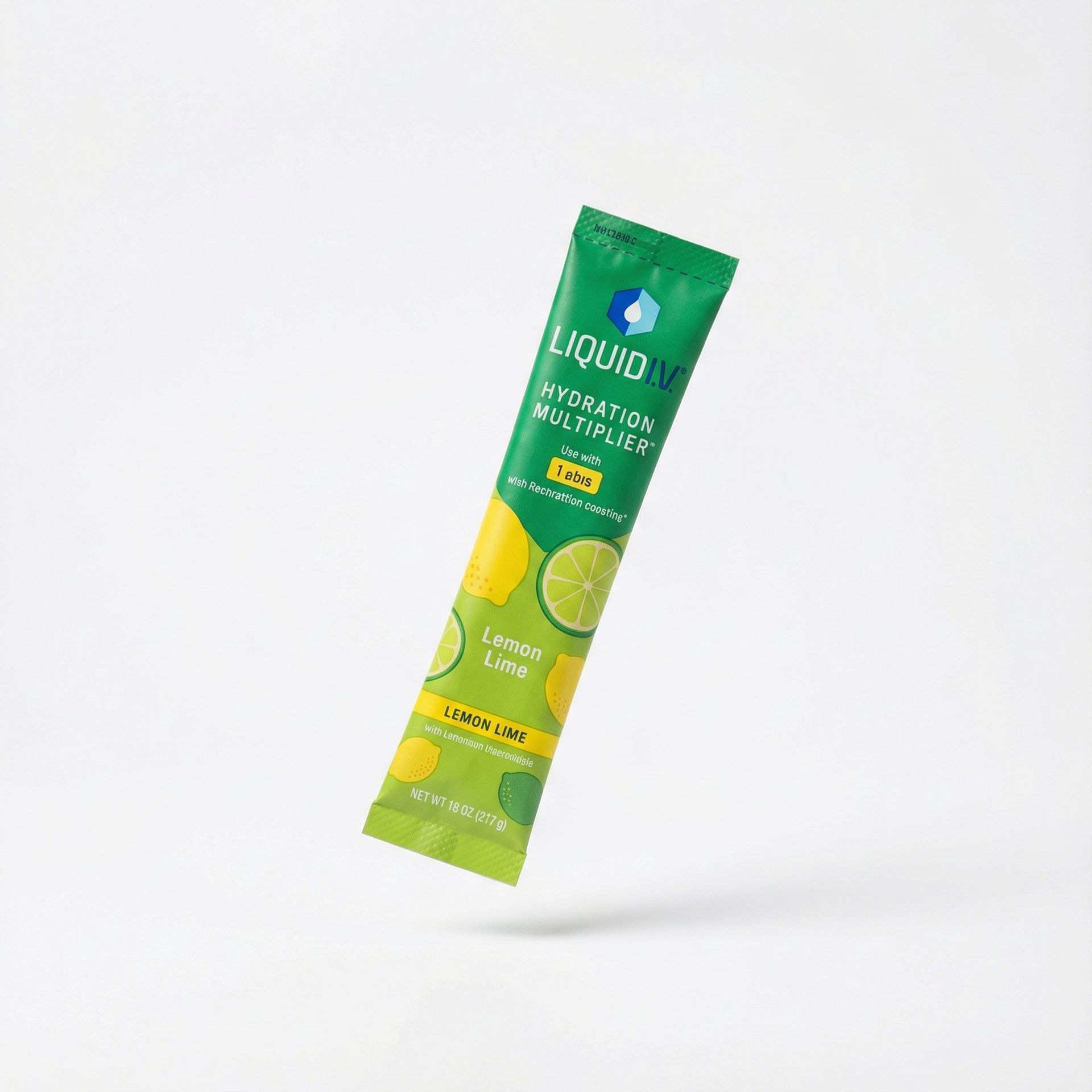
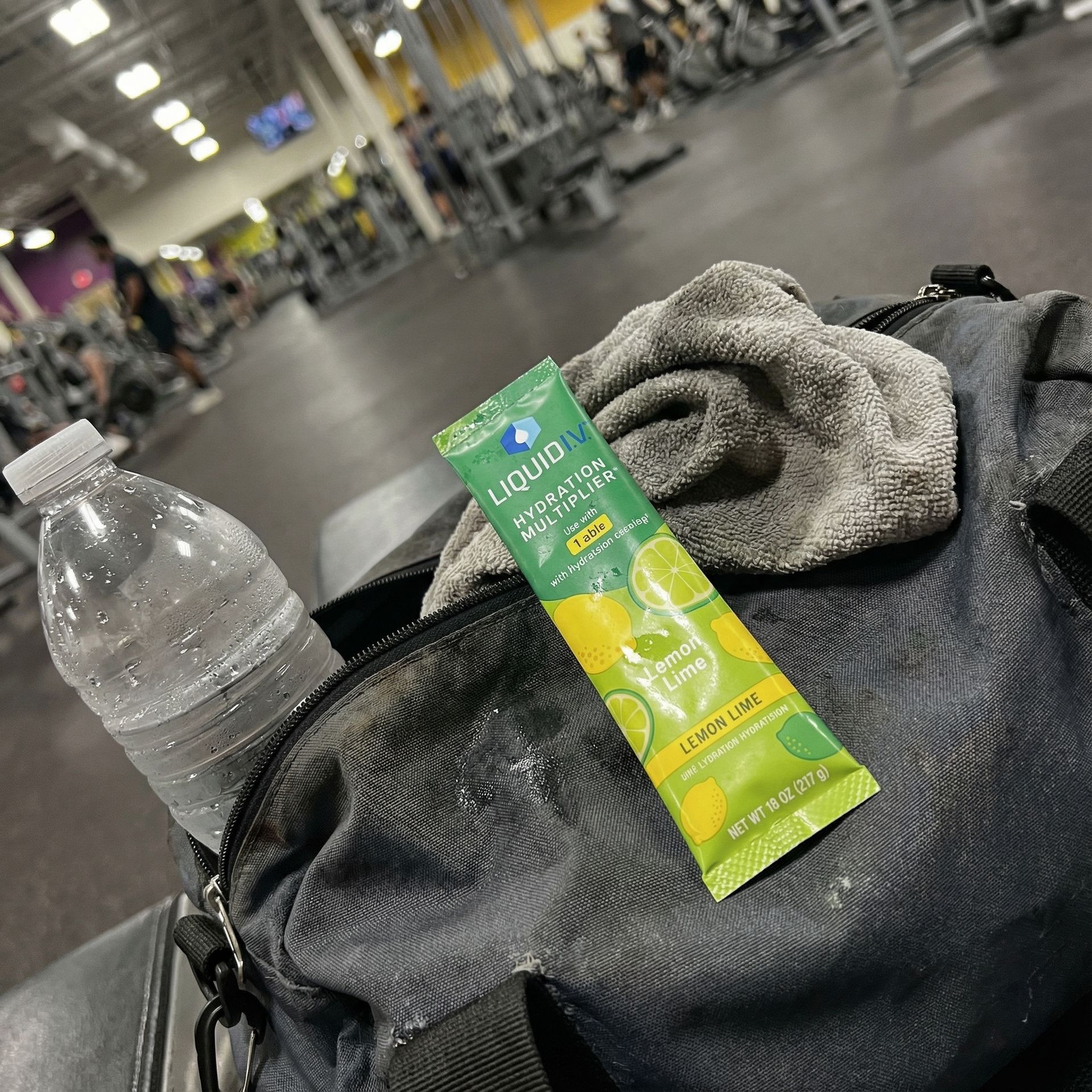
BeforeAfterLiquid I.V. Hydration
Liquid I.V.Supplement and wellness brands thrive with ugly ads. The gym bag aesthetic with visible sweat and real mess signals authenticity that studio shots can't match.
 Before
 After
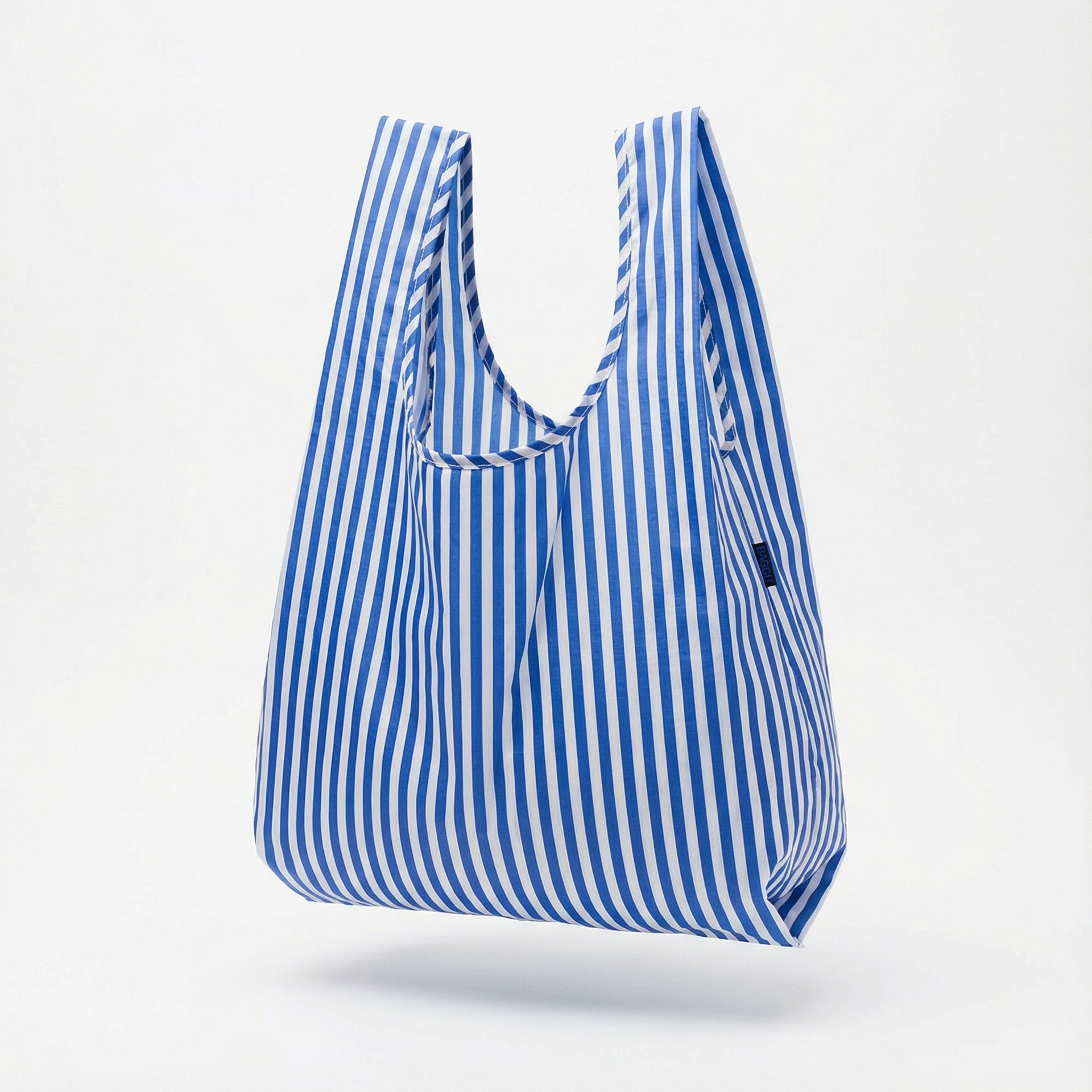
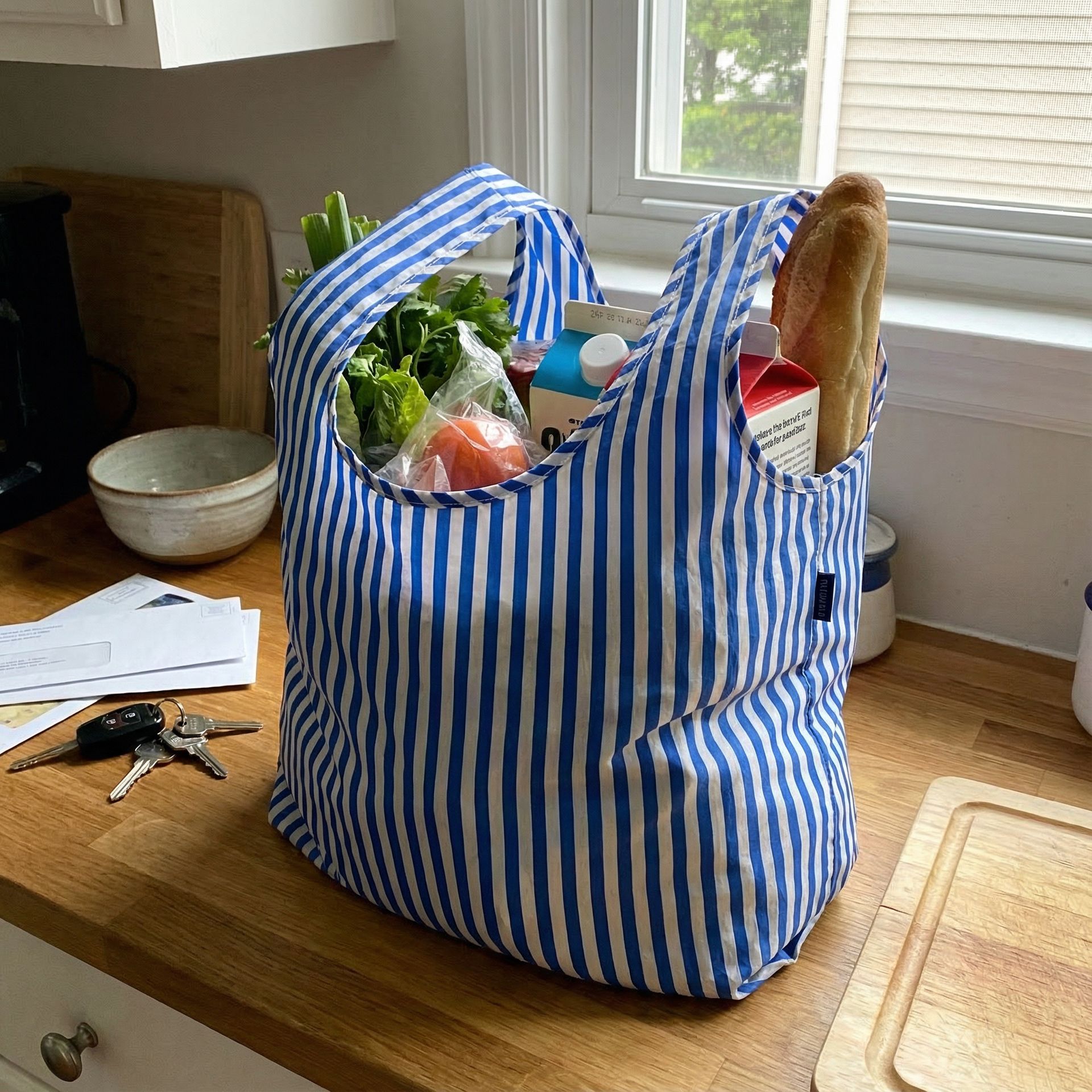
AfterBaggu Reusable Bag
BagguSustainable lifestyle products sell through relatability. Showing the bag actually stuffed with groceries in a real kitchen creates the 'I need this' moment.
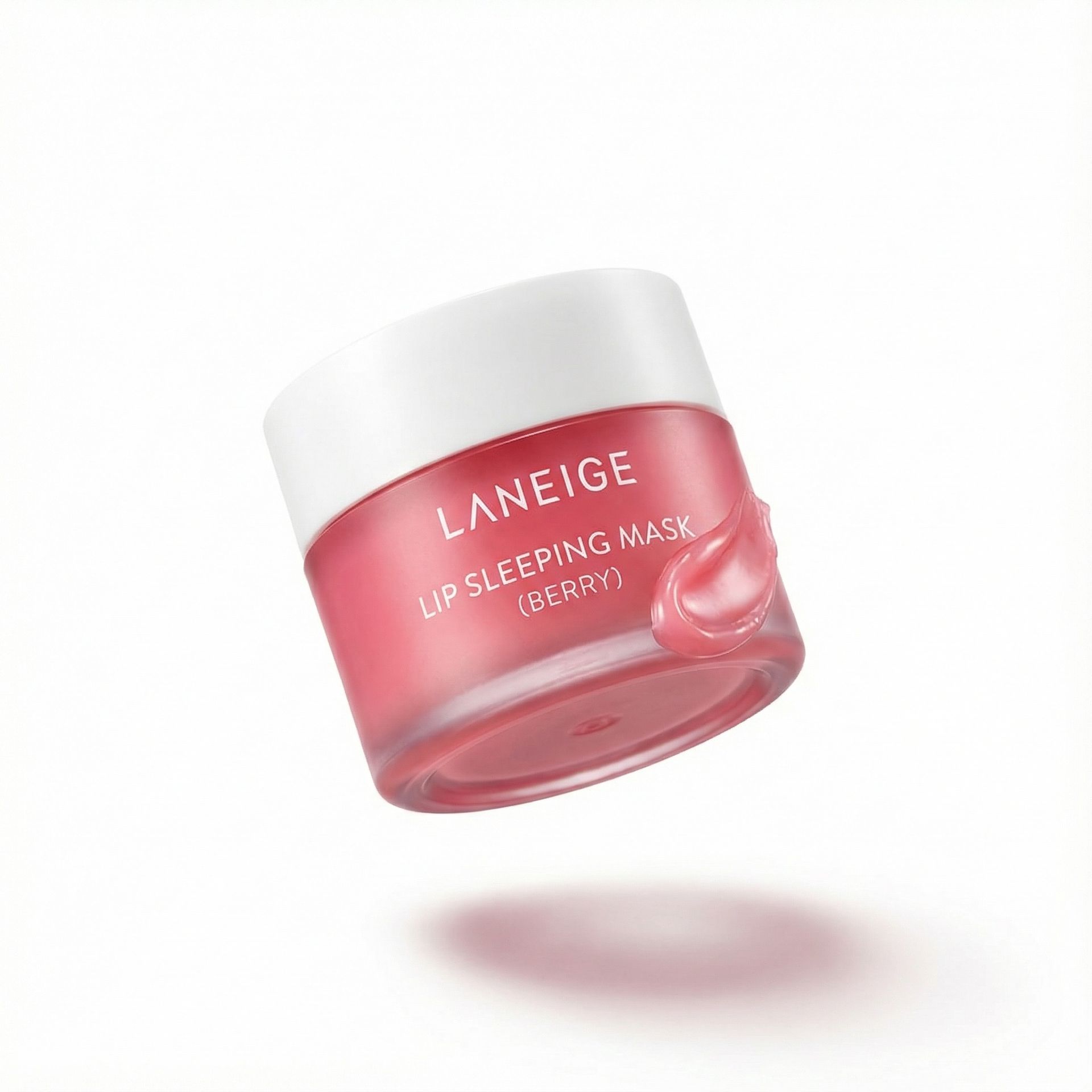 Before
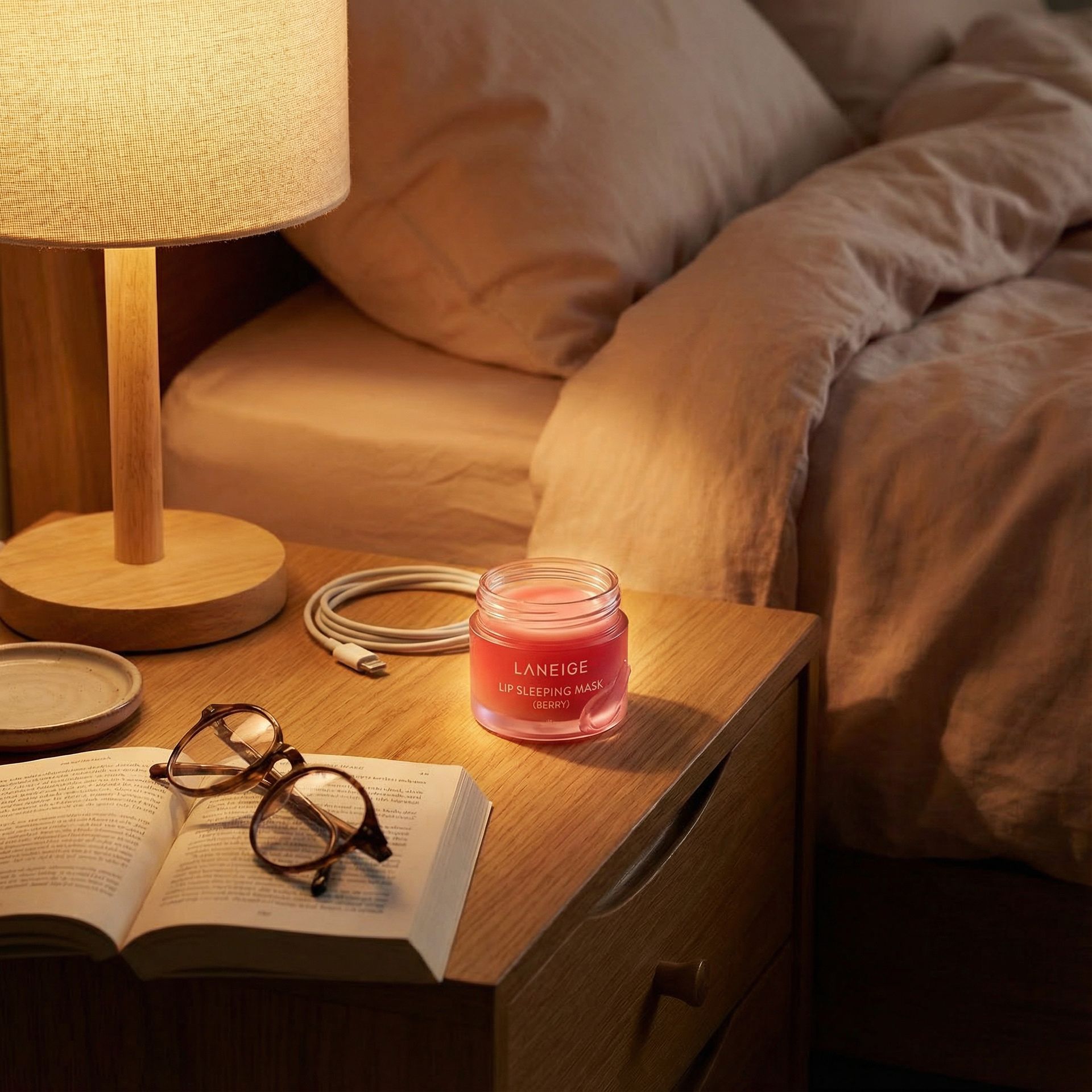 After
AfterLaneige Lip Sleeping Mask
LaneigeK-beauty products went viral through this exact aesthetic. The intimate nightstand moment feels like a friend sharing their routine, not a brand selling.
AI vs Traditional Methods
See how AI ad creation compares to traditional approaches
Swipe sideways to see every column
| Feature | With Ugly Ad | Traditional |
|---|---|---|
| Click-through rate | 2-4% with native-looking creative | 0.5-1% average for polished ads |
| Cost per click | 40-60% lower with lo-fi aesthetic | $1-3+ for produced creative |
| Ad fatigue timeline | Longer lifespan, feels like fresh content | 2-3 weeks before performance drops |
| User perception | Blends with organic content, engages naturally | Immediately identified as ad, often skipped |
| UGC creator costs | ~$0.50 per image | $500-5,000 per creator |
| Production time | Under 2 minutes | Weeks for professional shoots or creator content |
Frequently Asked Questions
Common questions about the Ugly Ad
Social Media Native Content
Users have developed ad blindness: they scroll past anything that looks 'produced.' Ugly ads look like content from friends, so they stop the scroll. Brands like Glossier, Liquid Death, and Duolingo have proven this works. Your polished product shots are getting ignored; lo-fi content gets engaged with.
Native-looking content gets 4x higher CTR than polished ads
Why businesses use it: